
Related Products
AGV Safety Standards: Key ISO, EU, and US Standards
Understand key AGV safety standards for ISO, EU, and US projects, including ISO 3691-4, EU machinery rules, B56.5, and ANSI/A3 R15.08.
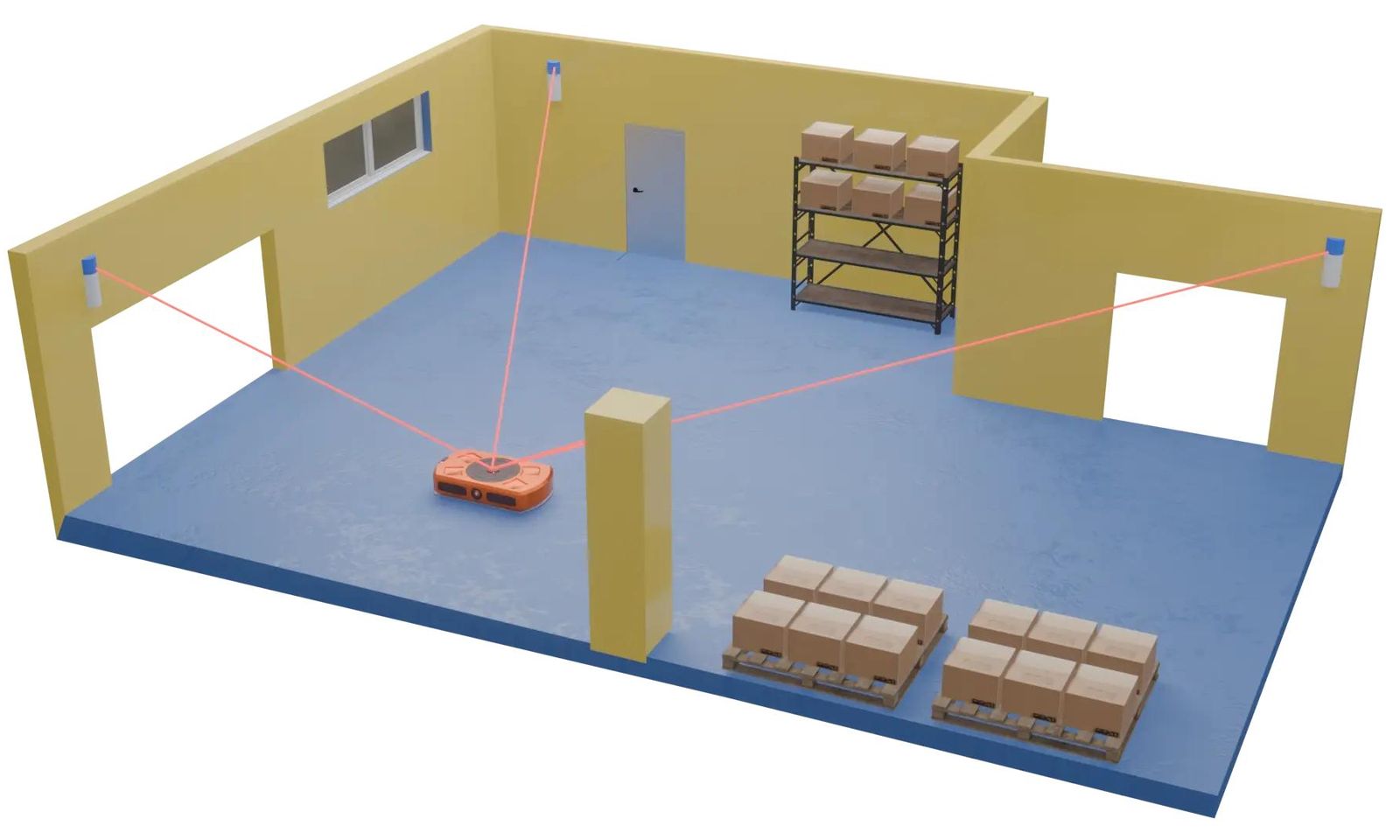
Understand key AGV safety standards for ISO, EU, and US projects, including ISO 3691-4, EU machinery rules, B56.5, an...
AGV safety standards cover the safety requirements for automated guided vehicles and their systems, including vehicle design, risk assessment, safety controls, and operating conditions.
The main AGV safety standards currently used come from the international ISO framework, the European EN ISO and machinery legislation framework, and the US ANSI/ITSDF and ANSI/A3 standards systems.
International AGV Safety Standards — ISO
ISO standards are an important international reference for AGV safety design. ISO 3691-4 is the standard most directly related to AGVs, while ISO 12100 and ISO 13849-1 address risk assessment and safety-related control systems respectively.
ISO 3691-4:2023 — Driverless Industrial Trucks and Their Systems
ISO 3691-4 is one of the core AGV safety standards. It specifies safety requirements and verification methods for driverless industrial trucks and their systems. The scope includes equipment such as Automated Guided Vehicles, Autonomous Mobile Robots, and Automated Guided Carts.
The standard covers areas such as vehicle movement, braking, protective measures, load handling, operating modes, and the operating zone. For an AGV, safety is not limited to the vehicle itself; the relationship between the vehicle, people, aisles, workstations, and other equipment also needs to be considered.
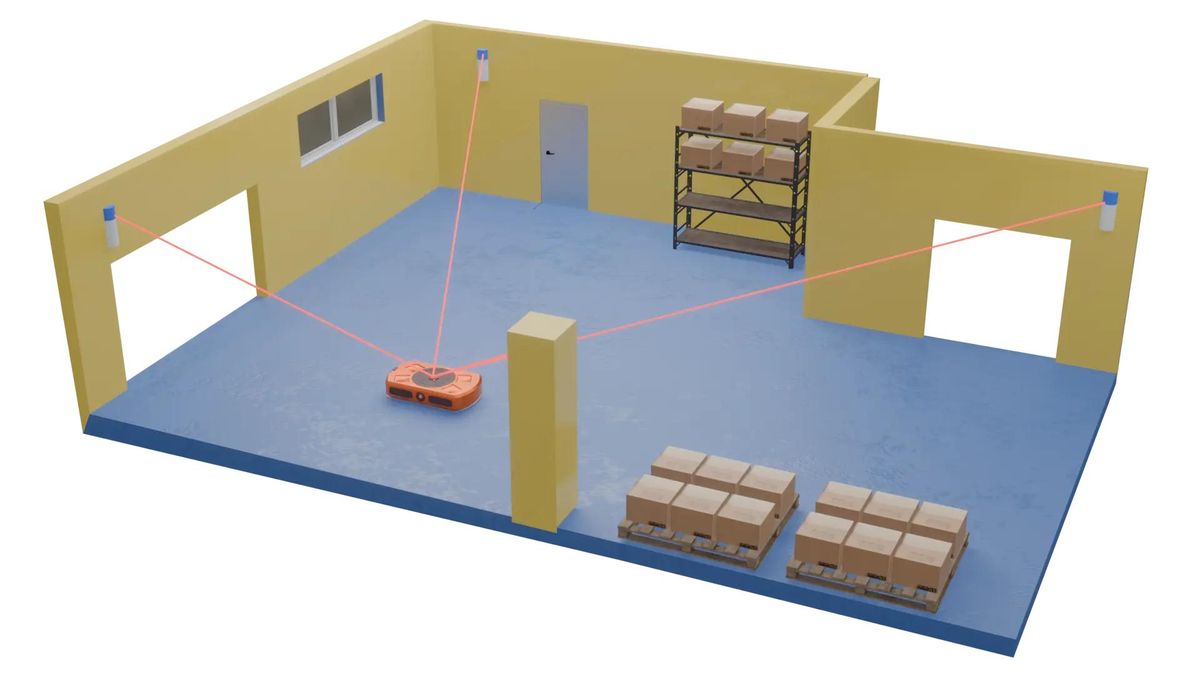
As of 2026, the current published edition is ISO 3691-4:2023. A new revision is still at the Draft International Standard stage.
ISO 12100:2010 — Risk Assessment and Risk Reduction
ISO 12100 is a fundamental machinery-safety standard that defines methods for risk assessment and risk reduction in machine design. ISO 12100:2010 was confirmed in 2022 and remains current.
For an AGV system, the risk assessment may consider vehicle collisions, crushing hazards, dropped loads, people entering the vehicle operating area, and foreseeable misuse.
Once these hazards have been identified, appropriate protective measures can be selected according to the level of risk, such as speed limits, protective stops, protected zones, or separation between people and vehicles.
ISO 13849-1:2023 — Safety-Related Parts of Control Systems
ISO 13849-1 applies to the parts of machinery control systems that perform safety functions and specifies methods and requirements for their design and integration.
AGV functions such as Emergency Stop, Protective Stop, speed monitoring, and control actions triggered by safety sensors may involve Safety-Related Parts of Control Systems.
The standard also uses Performance Level (PL) to describe the performance of safety-related control systems. The required level for a specific safety function needs to be determined according to the equipment and the risk assessment.
European Union AGV Safety Standards and Requirements
European AGV projects commonly involve both EN ISO technical standards and EU machinery legislation. EN ISO standards provide technical methods for safety design and risk control, while machinery legislation forms the legal framework for placing machinery on the EU market.
EN ISO 3691-4 — Driverless Industrial Trucks
EN ISO 3691-4 is the European adoption of ISO 3691-4 and addresses the safety of driverless industrial trucks and their systems.
The requirements described earlier under ISO 3691-4 for vehicles, operating zones, and system safety therefore also serve as an important reference for AGV projects in Europe.
EN ISO 12100 — Machinery Risk Assessment
EN ISO 12100 is used for machinery risk assessment and risk reduction.
For AGV systems, the assessment may cover vehicle travel paths, intersections, pallet transfer stations, charging areas, and interfaces with other automated equipment.
EN ISO 13849-1 — Safety-Related Control Systems
EN ISO 13849-1 is used for the design and validation of safety-related control systems.
When an AGV uses safety scanners, emergency stops, safety controllers, speed monitoring, or other safety functions, the reliability of the entire control chain—from detecting a hazard to slowing or stopping the vehicle—needs to be considered.
EU Machinery Directive and Machinery Regulation
The EU Machinery Directive and Machinery Regulation are legal requirements rather than individual AGV safety standards.
Directive 2006/42/EC currently remains applicable and will be replaced by Regulation (EU) 2023/1230 from January 20, 2027.
Standards such as EN ISO 3691-4, EN ISO 12100, and EN ISO 13849-1 can provide technical support for machinery safety design and conformity assessment, but compliance with any one of these standards does not automatically complete the entire CE conformity process.
AGVs placed on the EU market also need to be assessed against the applicable legislation, risk assessment requirements, technical documentation, conformity assessment procedures, and any other relevant requirements.
United States AGV Safety Standards
AGV and mobile robot safety in the United States mainly involves ANSI/ITSDF B56.5 and the ANSI/A3 R15.08 series.
The two frameworks do not cover exactly the same equipment. B56.5 is more directly associated with traditional AGVs and automatic guided industrial vehicles, while R15.08 focuses on Industrial Mobile Robots (IMRs), IMR systems, and their applications.
ANSI/ITSDF B56.5-2024 — Driverless and Automatic Guided Industrial Vehicles
ANSI/ITSDF B56.5-2024 specifies safety requirements for the design, operation, and maintenance of driverless and automatic guided industrial vehicles and their systems. The 2024 edition replaced the previous 2019 edition.
For traditional AGVs that travel along predefined paths, this is an important US safety standard.
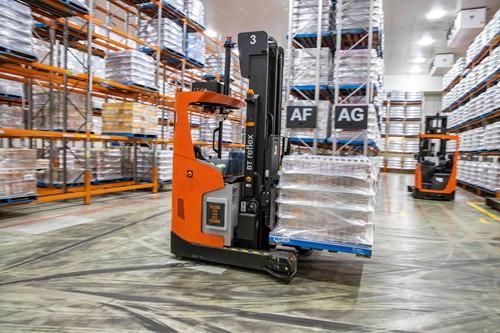
It covers both vehicle manufacturing and subsequent use, so AGV safety includes not only equipment design but also system operation and maintenance.
ANSI/A3 R15.08-1 — Industrial Mobile Robot Safety
R15.08-1 mainly addresses the safety of the Industrial Mobile Robot itself, including robot design, risk assessment, and the safety information that manufacturers need to provide to integrators and users.
The current edition is ANSI/A3 R15.08-1-2020 (R2026). R2026 is a reaffirmation of the 2020 edition and does not change the original technical content.
R15.08-1 and B56.5 have different scopes. A3 generally places traditional AGVs that follow a predetermined guidepath under B56.5, while R15.08 focuses more on Industrial Mobile Robots with autonomous navigation capabilities.
ANSI/A3 R15.08-2:2023 — IMR Systems and Integration
R15.08-2 extends the safety requirements from an individual mobile robot to the complete IMR system and its integration at the site.
It addresses how mobile robots interface with workstations, charging stations, and other equipment, as well as safety issues involving robot fleets and the actual deployment environment.
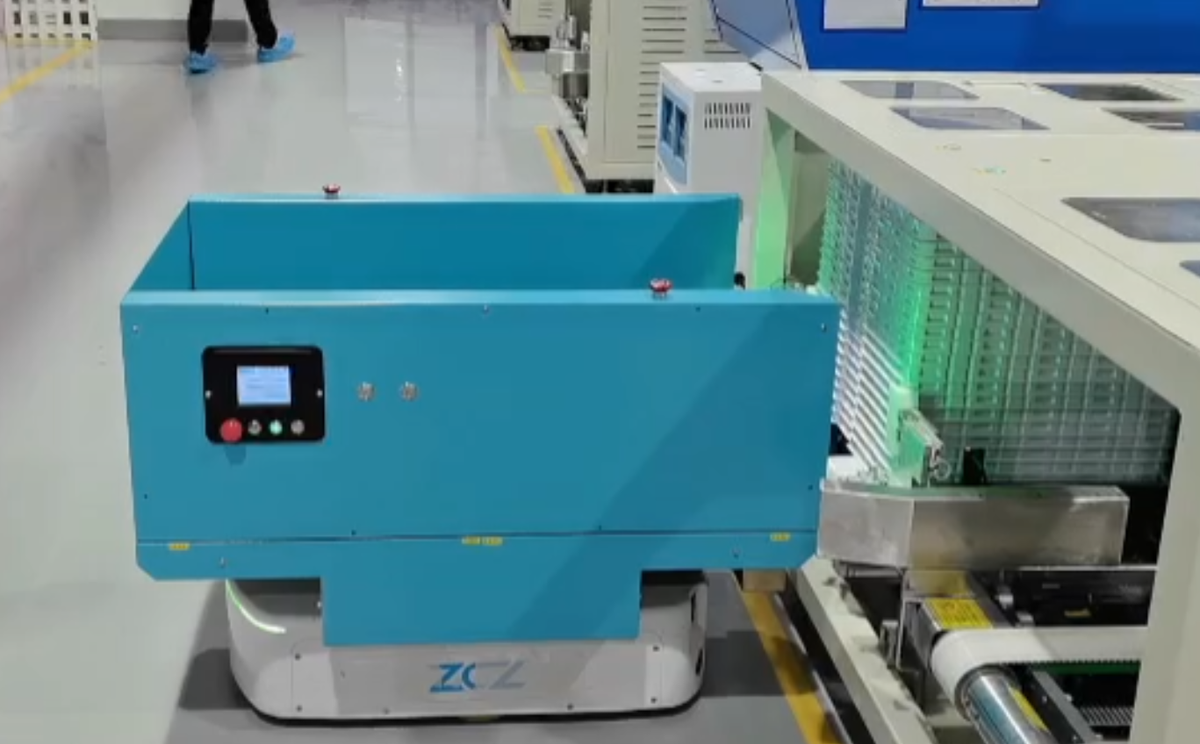
As a result, an IMR that is safe as an individual machine does not by itself mean that the complete mobile robot application has been fully addressed from a safety perspective. System integration and the operating environment still need to be evaluated after the vehicle is deployed at the site.
ANSI/A3 R15.08-3:2026 — Safe Use of Industrial Mobile Robots
R15.08-3 extends the focus to safety after an IMR has been placed into service.
This part addresses day-to-day operation, risk assessment, personnel safety, and the management of changes to the mobile robot application or its operating environment. R15.08-3 was published in 2026.
For example, changes to logistics routes, workstations, or pedestrian pathways may alter the original risk conditions, so their effect on the safe operation of the mobile robot system needs to be reviewed.
Within the US standards framework, ANSI/ITSDF B56.5 is more directly associated with traditional AGVs and automatic guided industrial vehicles, while the ANSI/A3 R15.08 series further separates Industrial Mobile Robot safety into robot design, system integration, and actual use.
References
- ISO 3691-4:2023 — Industrial trucks — Safety requirements and verification — Part 4: Driverless industrial trucks and their systems
- ISO 12100:2010 — Safety of machinery — General principles for design — Risk assessment and risk reduction
- ISO 13849-1:2023 — Safety of machinery — Safety-related parts of control systems — Part 1: General principles for design
- Regulation (EU) 2023/1230 on machinery
- ANSI/ITSDF B56.5-2024 — Safety Standard for Driverless, Automatic Guided Industrial Vehicles and Automated Functions of Manned Industrial Vehicles
- ANSI/A3 R15.08-1 — Industrial Mobile Robots — Safety Requirements — Part 1
- ANSI/A3 R15.08-2:2023 — Industrial Mobile Robots — Safety Requirements — Part 2
- ANSI/A3 R15.08-3:2026 — Industrial Mobile Robots — Safety Requirements — Part 3
Next Review
Move from article research to a scoped feasibility review.
Use the related products and solution paths below, then send your workflow and layout for a quick engineering review.
Related Solutions
Engineering Review