
Related Products
Automated Guided Vehicle Battery: Types, Charging Methods, and Selection Guide
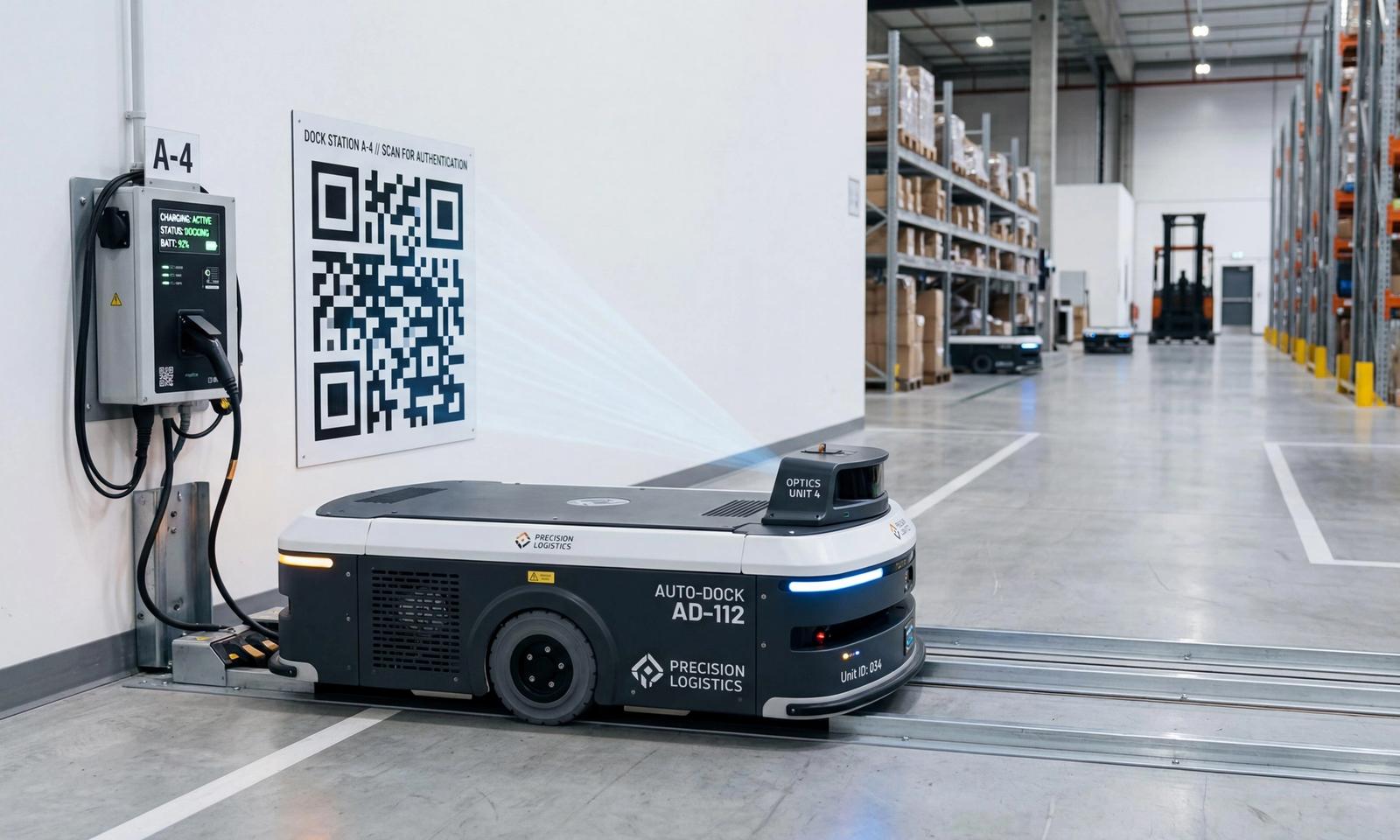
An automated guided vehicle battery is an onboard power source that supplies electricity to an AGV's drive motors, control system, navigation sensors, and material handling mechanisms, such as lifting and towing equipment.
Battery Types and Technologies · Why Is AGV Battery Performance Important? · How Do Different AGV Charging Methods Affect Battery Performance?
AGVs in a warehouse may operate for a single shift or run continuously for more than a dozen hours a day. Different operating schedules place different demands on battery runtime, charging speed, and service life.
Most AGVs today use lead-acid or lithium-ion batteries. Choosing an automated guided vehicle battery involves considering battery performance, charging methods, operating conditions, and long-term costs.
What Is an Automated Guided Vehicle Battery?
An automated guided vehicle battery is an onboard power source that supplies electricity to an AGV's drive motors, control system, navigation sensors, and material handling mechanisms, such as lifting and towing equipment.
An AGV's power requirements vary significantly depending on its operating conditions. During steady travel, the battery supplies the power needed for normal operation. Starting with a full load, accelerating, climbing slopes, or lifting goods may require much higher current. Both battery capacity and discharge capability therefore affect how the vehicle performs.
An AGV battery system typically consists of a battery pack, electrical connections, and protective devices. Lithium-ion batteries generally also include a Battery Management System (BMS), which monitors voltage, current, temperature, and state of charge (SOC) while providing charging and discharging protection.
Battery Types and Technologies
Common battery technologies used in AGVs include lead-acid, lithium iron phosphate, nickel manganese cobalt, and lithium titanate batteries.
1. Lead-Acid Batteries
Lead-acid batteries have a long history of use in industrial material handling equipment. The technology is well established, and initial purchasing costs are relatively low. Common types include flooded lead-acid, AGM, and gel batteries.
Lead-acid batteries have relatively low energy density, so storing the same amount of energy generally requires more space and weight. Charging also takes longer, and frequent deep discharges can significantly affect battery life.
Proper charging is another important consideration. Prolonged operation at a partial state of charge can cause sulfation on the battery plates, gradually reducing capacity and charge acceptance.
2. Lithium Iron Phosphate Batteries (LiFePO4)
Lithium iron phosphate batteries are among the lithium-ion battery types commonly used in AGVs. Compared with lead-acid batteries, they generally offer higher energy density, longer cycle life, and lower routine maintenance requirements.
LiFePO4 batteries can be recharged before they are fully discharged, making them suitable for AGVs that use opportunity charging. For example, a vehicle can recharge during a short idle period while waiting for its next transport task.
These batteries also have good thermal stability, although charging at low temperatures remains a limitation. For AGVs operating in cold storage facilities, battery heating or low-temperature charging protection may be necessary.
3. Nickel Manganese Cobalt Batteries (NMC)
NMC batteries use cathode materials containing nickel, manganese, and cobalt. They generally have higher energy density than lithium iron phosphate batteries.
For a similar battery size or weight, NMC batteries can often store more energy. This is particularly useful for AGVs with limited battery installation space or where reducing vehicle weight is important.
NMC batteries have relatively demanding temperature management requirements. Under high-temperature or high-rate charging and discharging conditions, appropriate battery management and thermal controls are needed to manage degradation and safety risks.
4. Lithium Titanate Batteries (LTO)
Lithium titanate batteries use lithium titanate as the anode material. They can handle high charging and discharging rates and offer a long cycle life.
LTO batteries are well suited to applications that require frequent charging within limited charging windows. Some models also provide good charging and discharging performance at low temperatures.
However, LTO batteries have relatively low energy density and higher purchasing costs. For the same energy capacity, an LTO battery pack may be larger and heavier.
Comparison of AGV Battery Technologies
| Battery Type | Energy Density | Cycle Life | Charging Capability | Initial Cost |
|---|---|---|---|---|
| Lead-Acid | Low | Short | Slow | Low |
| Lithium Iron Phosphate (LiFePO4) | Relatively High | Long | Fast | Medium to High |
| Nickel Manganese Cobalt (NMC) | High | Medium to Long | Fast | High |
| Lithium Titanate (LTO) | Low | Very Long | High-Rate Fast Charging | High |
Why Is AGV Battery Performance Important?
An AGV's runtime, power delivery, and operational reliability all depend on its battery. As battery performance declines, the vehicle's ability to handle material transport tasks may be affected, even when its mechanical and control systems remain unchanged.
1. Battery Runtime
Usable battery capacity determines how long an AGV can operate between charges.
For AGVs handling long-distance transport or continuous material movement, insufficient runtime means more frequent trips to charging stations. If charging conflicts with scheduled tasks, it can disrupt the overall material handling process.
Actual runtime also depends on load weight, travel speed, ambient temperature, and battery age.
2. Power Output and Operating Stability
AGVs typically require more power when starting with a full load, accelerating, or lifting goods than during normal travel.
If the battery cannot deliver sufficient current, the vehicle may experience significant voltage drops, reduced drive power, or even a protective shutdown.
Battery internal resistance may also increase with age. Under the same load, an aging battery is more likely to experience voltage drops and additional heat generation.
3. Battery Service Life
Batteries gradually degrade over time, typically showing a reduction in usable capacity and an increase in internal resistance.
Repeated charging and discharging cause cycle aging, while calendar aging occurs over time even when the battery is not in use.
Operating temperature, depth of discharge, charging and discharging rates, and the battery's long-term state of charge all influence the rate of degradation. For AGVs operating frequently, battery service life also affects replacement intervals and maintenance costs.
4. Safety and Reliability
AGVs often operate under frequent starts and stops, changing loads, and continuous vibration, placing considerable demands on battery safety.
Overcharging, overdischarging, excessive current, and abnormal temperature increases can damage batteries. In severe cases, they may also cause safety incidents such as thermal runaway.
Lithium-ion batteries typically use a BMS to monitor battery conditions. When voltage, current, or temperature exceeds acceptable limits, the BMS can restrict charging or discharging and disconnect the circuit when necessary.
How Do Different AGV Charging Methods Affect Battery Performance?
AGV battery charging systems affect charging speed, battery temperature, and service life. In warehouses operating multiple shifts, batteries may be charged several times a day, making charging schedules an important factor in battery aging.
1. Scheduled Charging
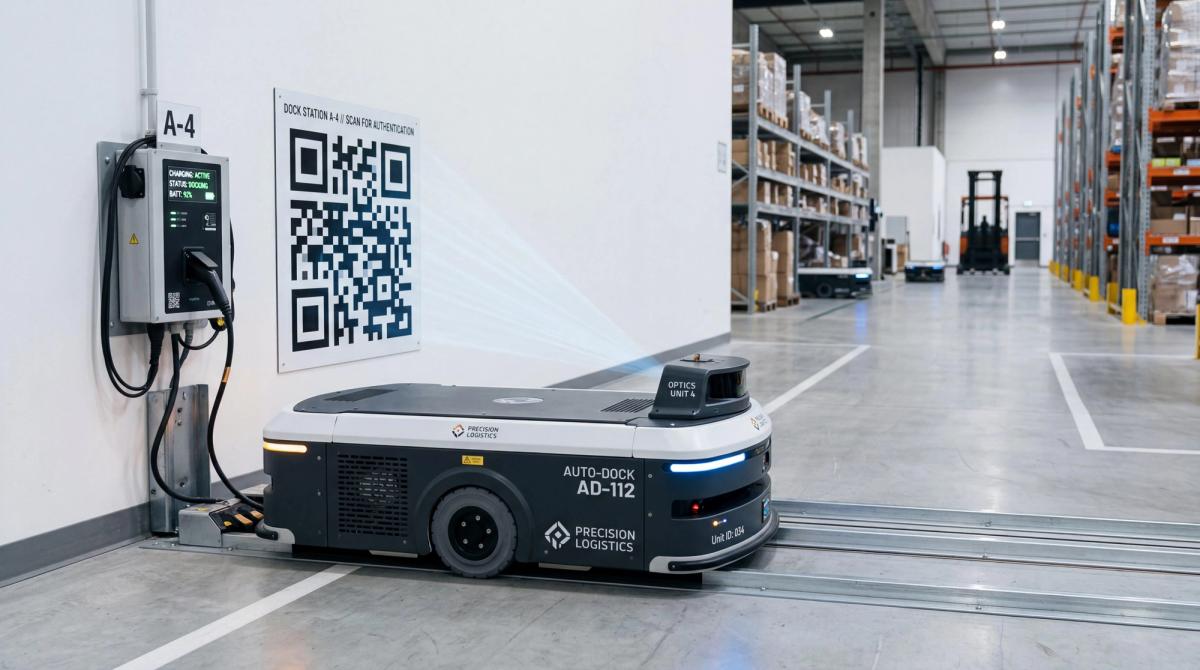
Scheduled charging usually takes place at the end of a work shift. After completing its transport tasks, the AGV returns to a designated location for charging.
This approach provides a relatively long charging window. However, if the vehicle routinely operates until the battery reaches a very low charge level, deeper discharge cycles may accelerate battery aging.
For lithium-ion batteries, storage conditions after charging also affect service life. Keeping a battery at a high state of charge for extended periods, particularly in hot environments, can accelerate capacity loss.
2. Opportunity Charging
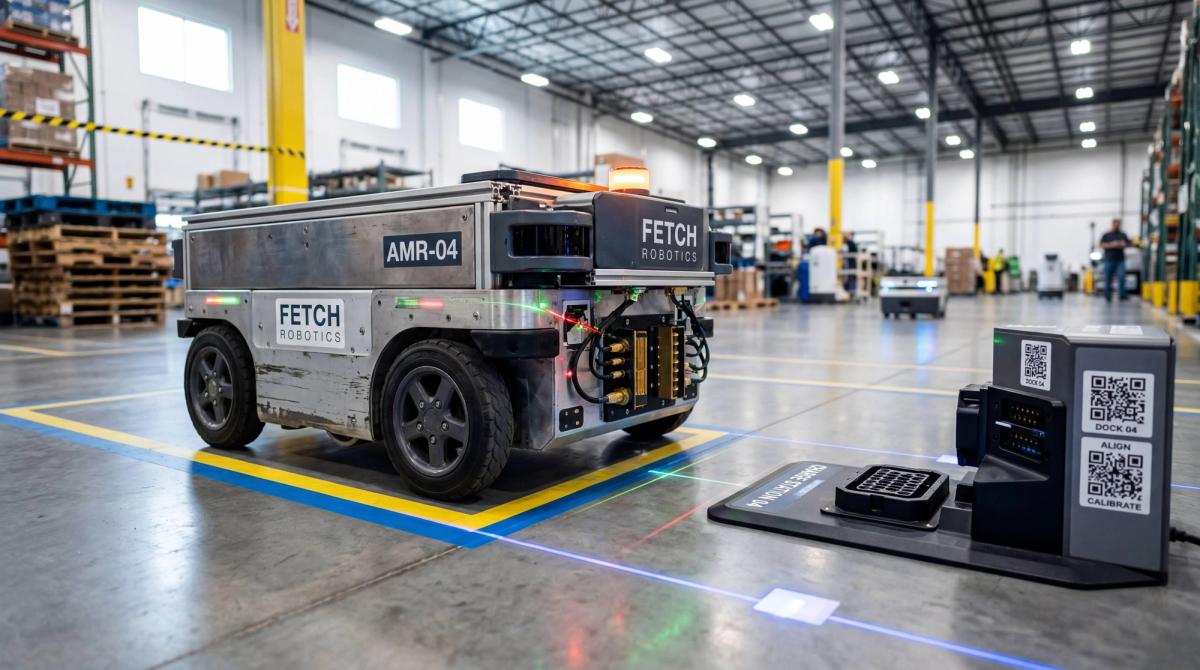
Opportunity charging allows AGVs to recharge during short stops, such as while waiting for assignments or loading and unloading goods, rather than waiting until the end of a shift.
Lithium-ion batteries such as LiFePO4 are well suited to this approach. Shallow charging and discharging within an appropriate state-of-charge range can reduce degradation associated with deep cycling.
However, repeatedly charging a battery close to full capacity and keeping it there for extended periods, or using excessive charging current, can still accelerate capacity loss.
Traditional lead-acid batteries require particular attention to incomplete charging. Repeated short charging sessions that consistently leave the battery undercharged may cause sulfation and shorten battery life.
3. Fast Charging
Fast charging allows an AGV to replenish more energy during a short stop, but the battery must be capable of handling the required charging power.
Higher charging currents generally produce more heat inside the battery. When the current exceeds suitable limits, degradation may accelerate, resulting in capacity loss and increased internal resistance.
For lithium-ion batteries with graphite anodes, low temperatures, high states of charge, and excessive charging currents can also cause lithium plating. This can lead to irreversible capacity loss and increased safety risks.
Some LTO batteries can tolerate higher charging rates, while conventional lithium-ion batteries generally require tighter control of charging current and temperature.
AGV Battery Selection Guide
AGV battery selection should begin with the vehicle's actual operating requirements. Once the work schedule, transport loads, available charging time, and installation conditions are clear, different battery options can be evaluated.
1. Choose a Battery Type Based on Operating Conditions
For AGVs operating a single shift per day with sufficient time for scheduled charging, lead-acid batteries remain a relatively low-cost option.
AGVs operating multiple shifts are generally better suited to lithium iron phosphate batteries, particularly when vehicles need to recharge automatically during breaks between tasks.
Where battery installation space is limited, the higher energy density of NMC batteries may offer an advantage. For equipment with very short charging windows and frequent high-rate charging requirements, LTO batteries are another option worth considering.
2. Determine Battery Capacity Based on Energy Consumption and Runtime
Battery capacity must cover an AGV's actual energy consumption between charges, including power used for travel, starting, acceleration, lifting, and onboard control systems.
Operating tests or power measurements can be used to estimate the vehicle's energy requirements under typical working conditions.
The nominal energy capacity of a battery can be calculated as follows:
Battery Energy (Wh) = Nominal Voltage (V) × Rated Capacity (Ah)
For example, a 48V, 100Ah battery has a nominal energy capacity of approximately 4.8kWh. If the permitted depth of discharge is 80%, a new battery can provide approximately 3.84kWh of energy within that discharge range.
Capacity selection should also account for declining capacity as the battery ages, system energy losses, and the necessary energy reserve.
3. Confirm Power Output and Charging Requirements
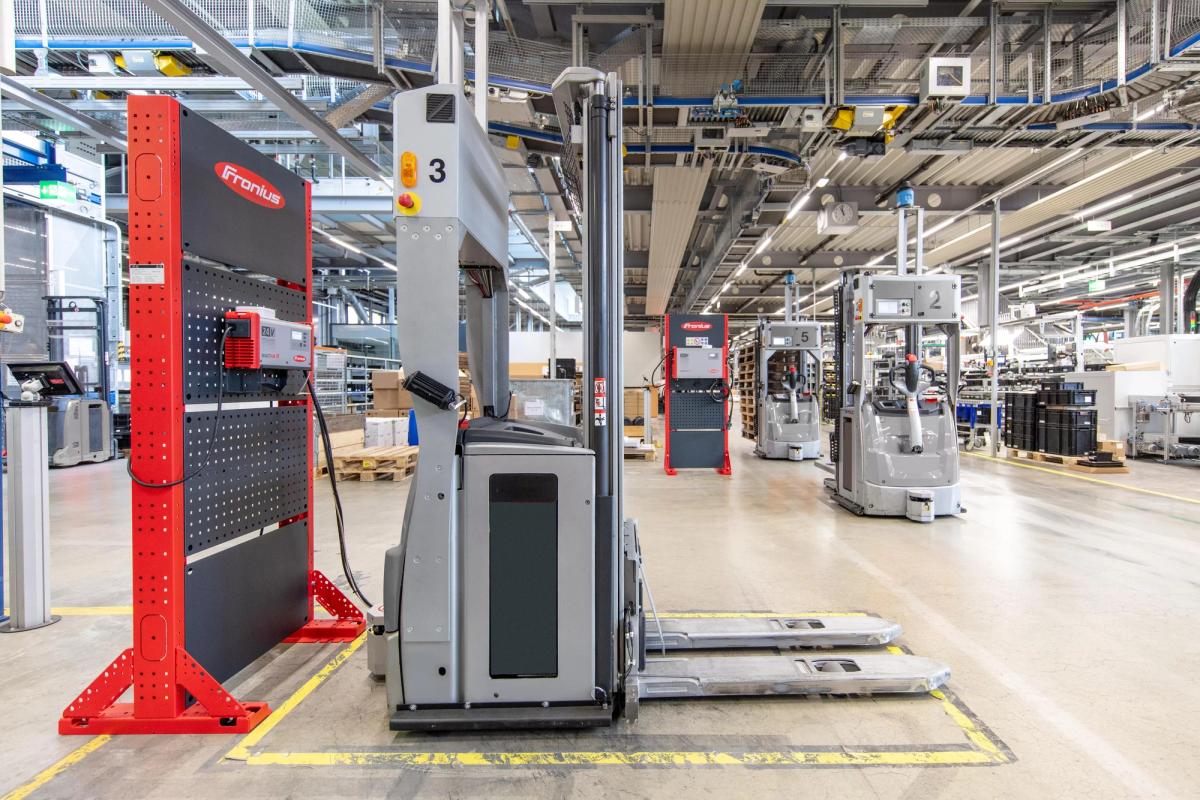
The battery must meet both the AGV's normal operating power requirements and its short-term peak power demands.
For forklift AGVs and towing AGVs, check the nominal voltage, allowable voltage range, continuous discharge current, peak discharge current, and the permitted duration of peak current.
Charging requirements depend on the vehicle's operating schedule. If there is a long period of downtime each day, conventional charging may be sufficient. If the AGV needs to recharge between tasks, the required energy replenishment during each short stop must be calculated, along with whether the battery and charger can deliver the necessary charging power.
Electrical and communication compatibility between the battery, charger, and AGV control system should also be confirmed in advance.
4. Evaluate Environmental Suitability and Long-Term Costs
The battery must be suitable for the AGV's working environment. For cold storage AGVs, low-temperature discharge performance and charging protection deserve particular attention. For vehicles with limited internal space, battery dimensions, weight, and mounting arrangements become important considerations.
The initial battery price is only part of the total cost. Charging equipment, routine maintenance, energy losses, and eventual battery replacement also contribute to operating expenses.
For AGVs operating frequently over long periods, comparing battery cycle life and expected replacement frequency is particularly useful. When reviewing manufacturers' cycle life data, consider the testing conditions, including depth of discharge, charging and discharging rates, and temperature, to compare different products under similar operating conditions.
Next Review
Move from article research to a scoped feasibility review.
Use the related products and solution paths below, then send your workflow and layout for a quick engineering review.
Related Solutions
Engineering Review