
Related Products
How Does Warehouse Automation Reduce Labor Costs?
Learn how warehouse automation reduces labor costs across material handling, picking, replenishment, and sorting, with a practical payback-period example.
Learn how warehouse automation reduces labor costs across material handling, picking, replenishment, and sorting, wit...
Warehouse automation can take over some tasks that were previously performed manually. How much it actually saves in labor costs depends on how many paid labor hours are reduced and how much of the daily workload the equipment can handle.
Where Can Warehouse Automation Reduce Labor Costs?
Warehouse labor costs are spread across daily operations such as material handling, order picking, replenishment, and sorting.
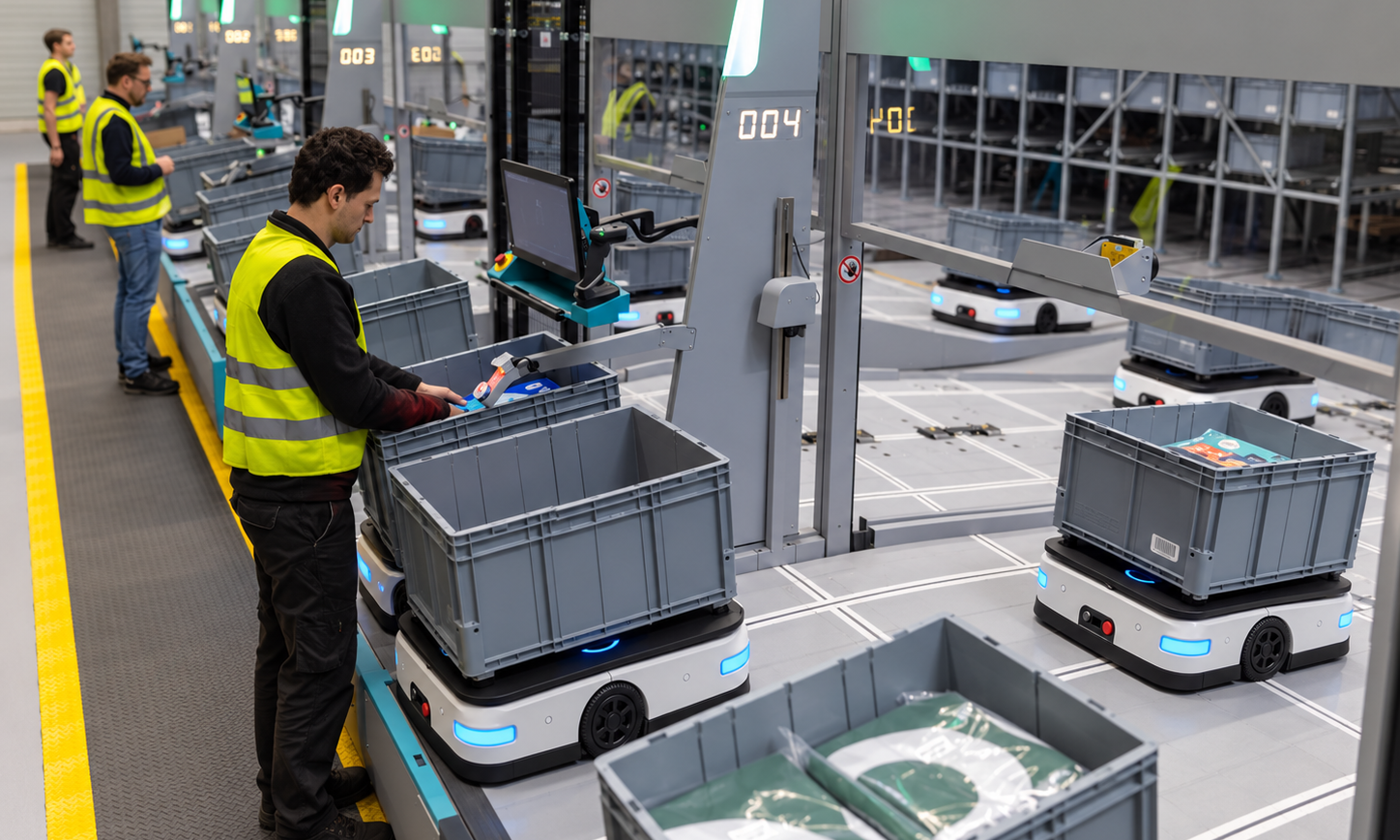
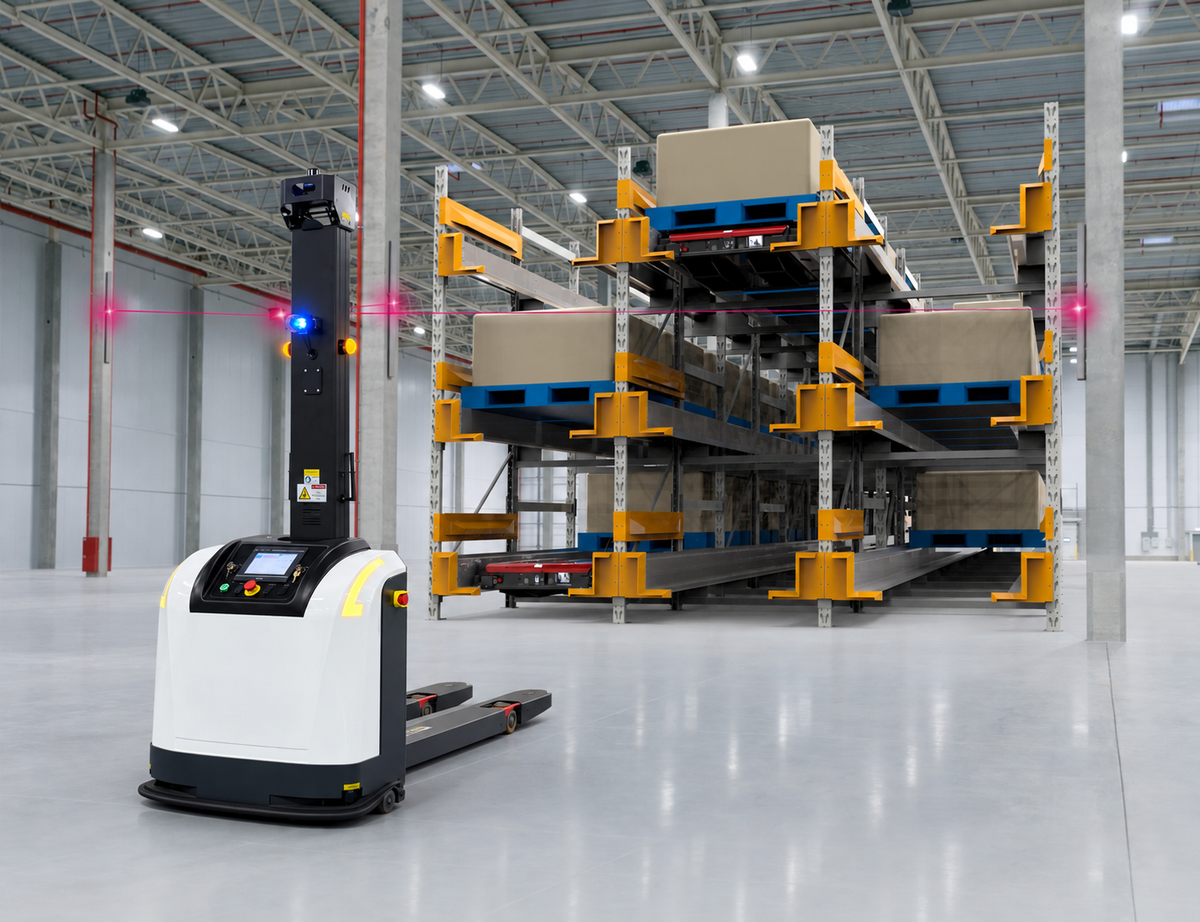
Forklift operators travel between receiving, storage, and shipping areas every day, while material handlers move totes, pallets, and other goods between different work zones.
When these transport tasks follow fixed routes and occur frequently, AGVs, AMRs, or automated conveyor systems can take them over. Employees can then focus on loading and unloading tasks that still require manual intervention, handling exceptions, and other work. Automated transfer stations can further reduce the labor needed at pickup and drop-off points.
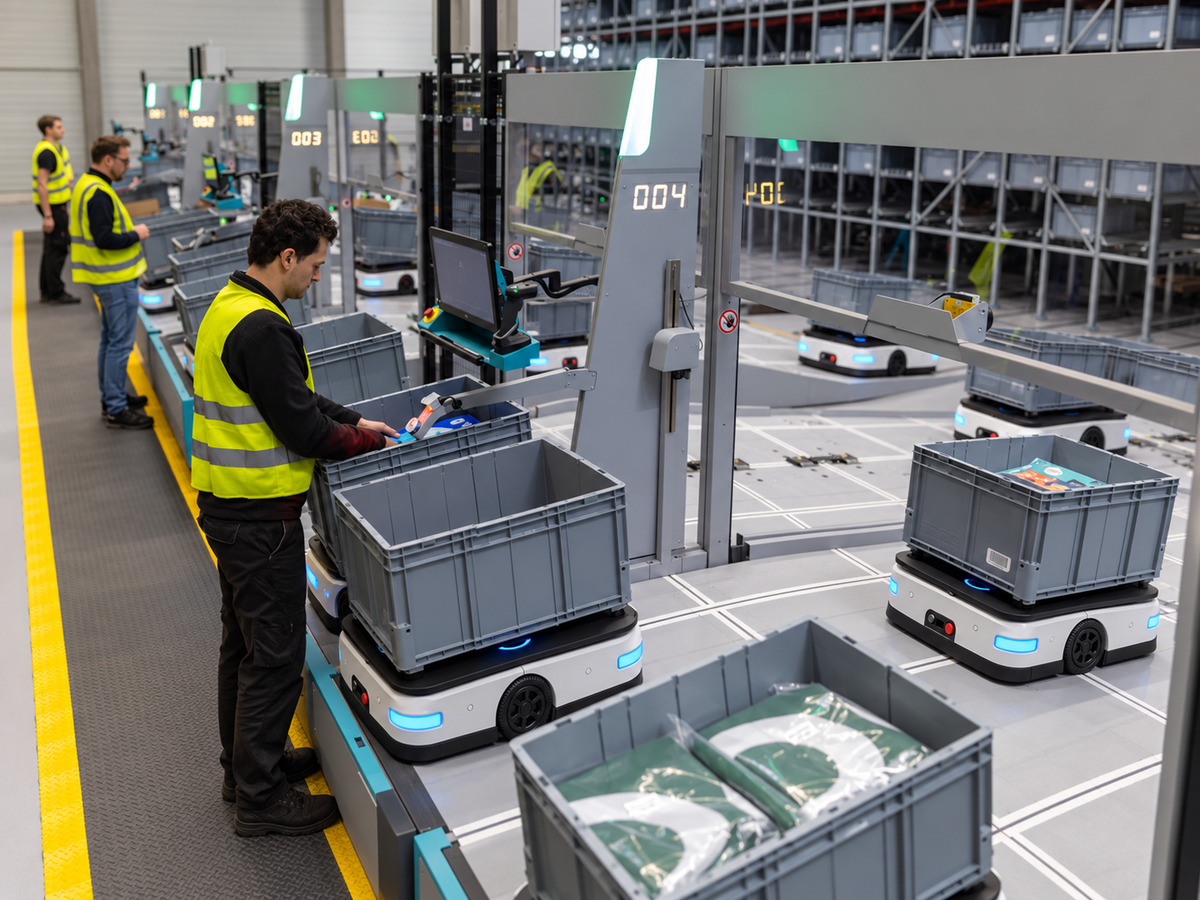
In traditional manual picking, workers continually walk between storage locations. In some cases, finding and traveling to an item takes longer than physically picking it.
With a Goods-to-Person system or AS/RS, goods can be brought directly to a picking station. AMR-assisted picking can reduce the time workers spend pushing carts, transporting goods, and walking back and forth. As travel and handling time decrease, fewer labor hours are needed to process the same number of orders.
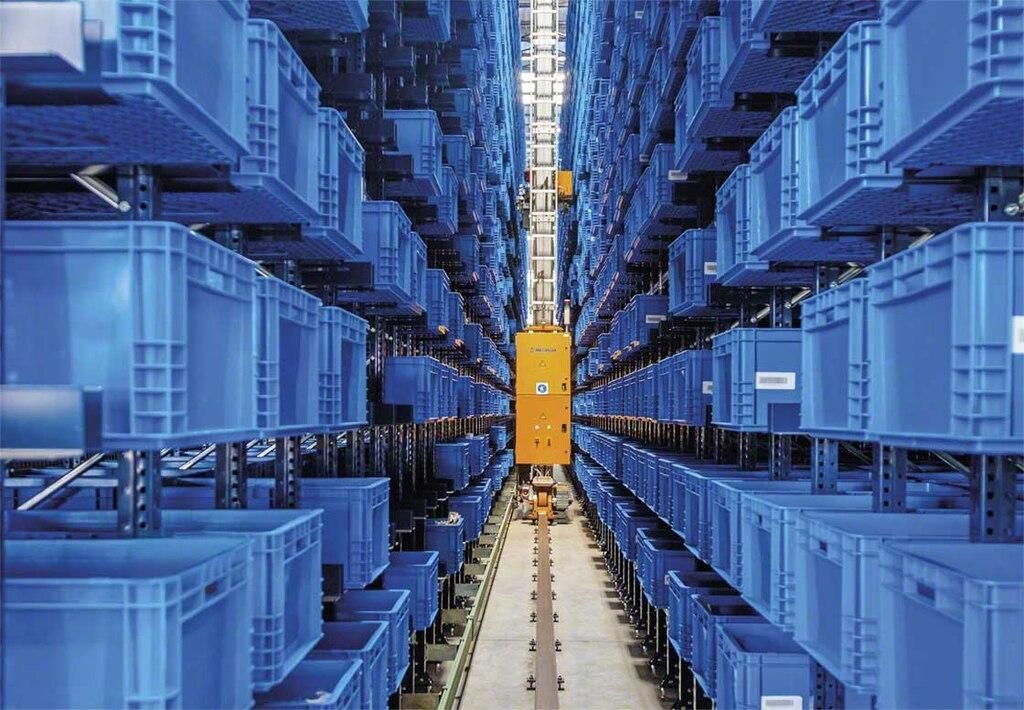
Replenishing picking areas, sorting completed orders, and transferring goods can also involve less manual work with automated conveyors, sortation systems, and automated storage equipment. These systems handle predictable, repetitive tasks and reduce the need for workers to move and direct goods between areas.
Correcting errors requires additional labor as well. After a wrong pick, missed item, or misrouted load, workers may need to check the order again, locate the product, pick it, and repack it. Barcode scanning, Pick-to-Light, WMS, and automated sortation systems can help prevent some of these errors and reduce the rework they cause.
When orders arrive in concentrated peaks, warehouses often need overtime, temporary workers, or additional shifts. Once automation handles some of the transport and sorting work, higher order volumes do not necessarily require a proportional increase in staffing.
For warehouses with steadily growing order volumes, automation can also help existing teams handle more work, reducing the need to hire additional pickers, forklift operators, and material handlers in the future.
How Long Does It Take for Warehouse Automation to Pay for Itself?
The payback period for warehouse automation mainly depends on the upfront investment, the cost savings achieved each year, and ongoing operating expenses. Initial costs typically include automation equipment, software, system integration, installation and commissioning, and any necessary site modifications.
However, higher productivity does not automatically mean lower payroll expenses.
For example, suppose automation allows work that previously required 15 employees to be completed by 10. If the company still pays all 15 employees, that productivity gain has not directly translated into a cash cost saving.
Simple Payback Period = Initial Investment ÷ Annual Net Savings
Suppose a warehouse invests $400,000 in an automation system. Once it is operating, the warehouse reduces 4,000 paid labor hours per year. At a fully loaded labor cost of $30 per hour, that represents an annual saving of $120,000.
The warehouse also saves another $20,000 a year in overtime and temporary staffing costs, but incurs $25,000 in additional annual expenses for equipment maintenance, software, and other operating costs.
| Item | Annual amount |
|---|---|
| 4,000 fewer paid labor hours | $120,000 |
| Additional overtime and temporary staffing savings | $20,000 |
| Automation system operating costs | −$25,000 |
| Annual net savings | $115,000 |
The overtime and temporary staffing savings are separate from the 4,000 labor hours above to avoid double counting. All figures are illustrative.
Based on these figures, the simple payback period is approximately:
$400,000 ÷ $115,000 ≈ 3.5 years
If you are considering warehouse automation to reduce labor costs, Coolyne offers a free automation feasibility assessment and ROI analysis based on your existing workflows, labor requirements, and material transport tasks. This can help estimate potential labor cost savings and the investment payback period.
Next Review
Move from article research to a scoped feasibility review.
Use the related products and solution paths below, then send your workflow and layout for a quick engineering review.
Related Solutions
Engineering Review