
Related Products
Small Scale Warehouse Automation: How Small Warehouses Can Automate Step by Step
Learn how small warehouses can automate step by step, starting with repeatable transport, picking, or storage tasks and expanding as demand grows.
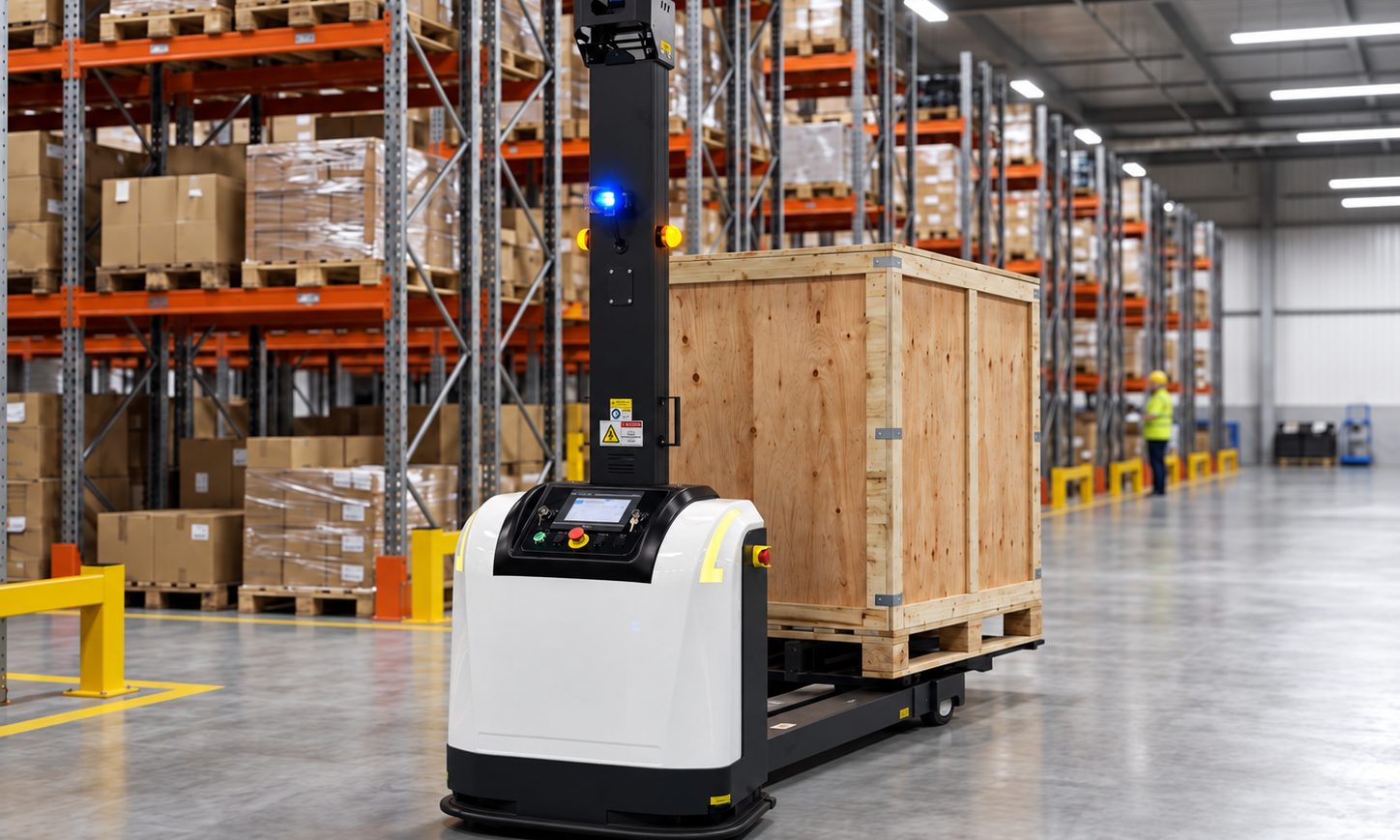
Learn how small warehouses can automate step by step, starting with repeatable transport, picking, or storage tasks a...
Warehouse automation is not limited to large distribution centers.
Many smaller warehouses still handle receiving, storage, replenishment, picking, internal transport, and outbound operations every day. As order volume grows or SKU counts increase, processes that once worked well with manual labor may start to involve longer walking distances, more time spent locating items, excessive repeat handling, and task backlogs during peak periods.
For these warehouses, automation does not need to cover the entire facility at once. A more practical approach is to start with the process that has the greatest impact on efficiency, then choose equipment and systems that fit the scale of the operation.
This is a common way to implement small scale warehouse automation.
What Is Small Scale Warehouse Automation?
Small Scale Warehouse Automation refers to automating selected warehouse processes in facilities with a smaller footprint, limited order volume, or automation needs concentrated in only a few workflows.
A small warehouse automation project can start with a very limited scope, such as one fixed transport route or a single operating area.
For example, two AMRs can move totes from storage to a picking station; one Forklift AGV can transport pallets from receiving to storage; or a compact AS/RS can be used to increase storage density within limited space.
If a warehouse only moves a small number of pallets each day, there is no need to install a complex system just to pursue full automation. Assigning one repetitive transport route to one or two mobile robots may already eliminate a significant amount of manual travel.
Many small warehouses start this way: get one process running reliably first, then add more vehicles, stations, or automation equipment as task volume grows.
Benefits of Small Scale Warehouse Automation
One common issue in small warehouses is that a limited number of employees spend a large amount of time walking, locating items, and repeating the same transport tasks.
When racks, aisles, picking areas, and outbound zones are all concentrated in a relatively small space, adding more people or forklifts does not always improve efficiency. As traffic increases, people and vehicles can begin interfering with one another in limited aisle space.
Mobile robots can take over part of this repetitive transport work.
For example, when AMRs continuously deliver totes to a picking station, pickers do not need to leave their work area as often. When AGVs handle fixed pallet transport routes, forklift operators can spend more time on loading, unloading, and more complex storage tasks.
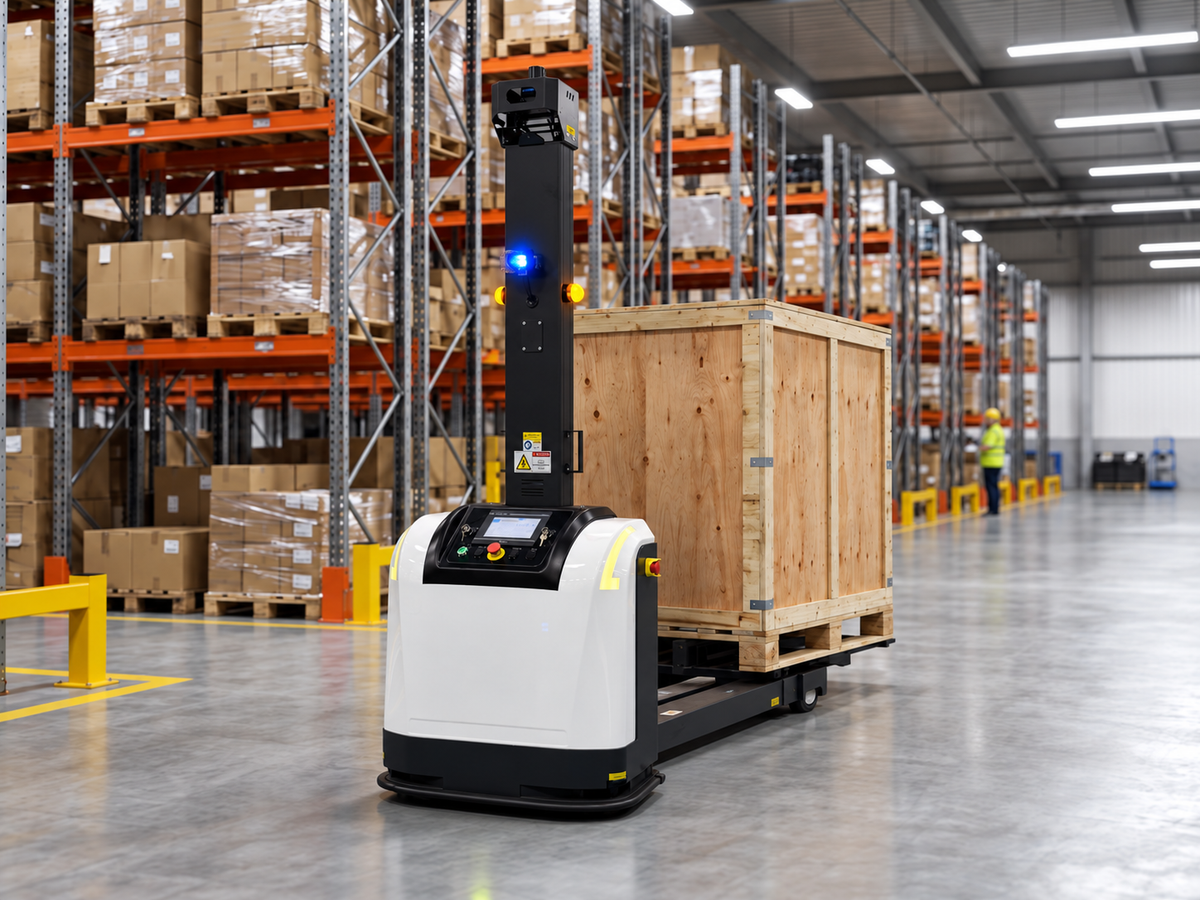
In some warehouses, transport is not the main issue. Storage locations become tight first.
In that case, automated storage equipment can make better use of vertical space and add storage locations within the existing building footprint.
Small-scale projects also make it easier to see the actual impact. A company can automate one area or one transport task, then directly compare walking time, task completion time, equipment utilization, and labor savings before deciding whether to expand the system.
Which Industries Are Suitable for Small Scale Warehouse Automation?
Whether a warehouse is suitable for small-scale automation depends more on what happens there every day than on the size of the company or the facility.
E-commerce and retail warehouses often handle many SKUs and frequent picking and replenishment. Even in a small warehouse, if employees spend a large part of the day walking between racks, AMRs or a Goods-to-Person approach can reduce that travel.
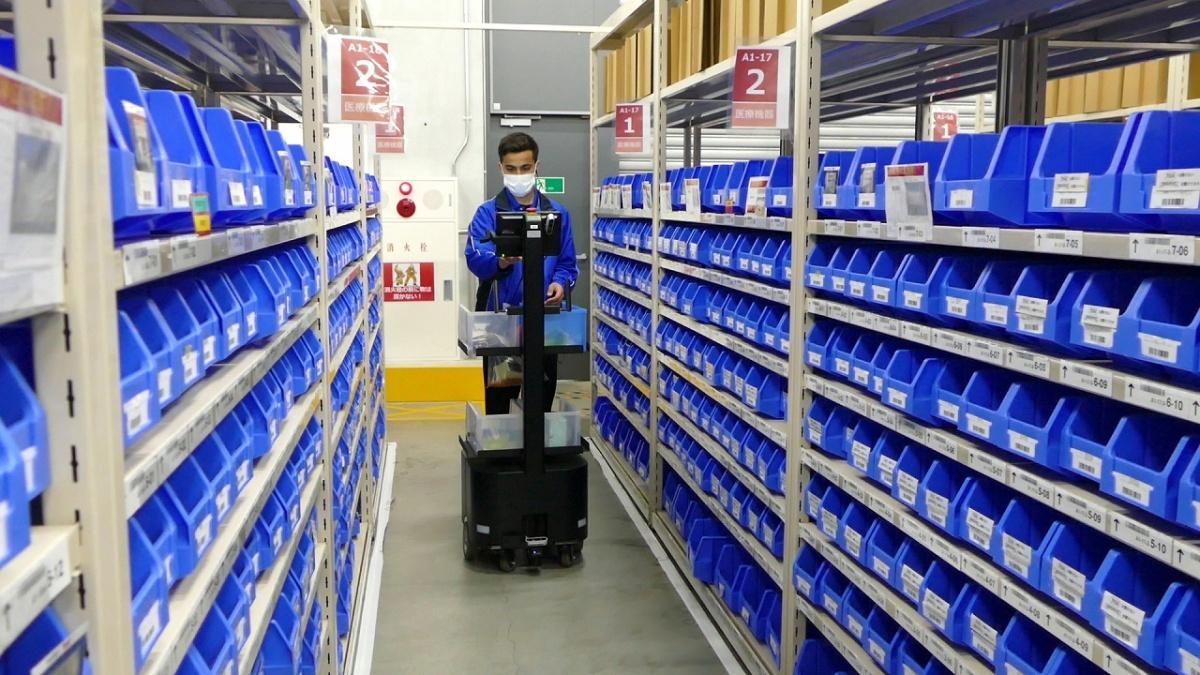
Electronics, automotive parts, and machinery manufacturers often face a different pattern. Totes or pallets move repeatedly between line-side storage, parts warehouses, and production areas. These routes are relatively stable and tasks repeat every day, making them well suited to internal delivery by mobile robots.
Food, beverage, and fast-moving consumer goods warehouses often have recurring pallet receiving, replenishment, and outbound tasks. If pallet specifications and transfer points are relatively stable, automation can also start with these repetitive workflows.
Small raw-material stores, WIP buffer areas, and finished-goods storage areas inside factories are also common small-scale automation scenarios. These areas may be limited in size, but frequent material movement can still make automation worthwhile.
A few practical questions can help determine fit: Do the same tasks repeat every day? Does labor spend a lot of time walking or moving materials? Are routes and transfer points relatively stable?
Which Warehouse Processes Can Be Automated on a Small Scale?
A small warehouse does not need to automate every process at the same time.
Many projects start with repetitive transport.
Moving pallets from receiving to storage, delivering materials from the warehouse to production, returning empty pallets, and moving finished goods back to storage are all relatively clear transport tasks that can be handled by AGVs or AMRs.
If a large share of labor time is spent locating items and walking, picking is another common place to start.
When employees walk long distances between racks to collect items, mobile robots can bring totes or goods to a fixed picking station while workers remain in the work area.
If the main issue is a shortage of storage locations, compact AS/RS, tote storage and retrieval systems, or other high-density storage solutions can be used to gain more capacity from vertical space.
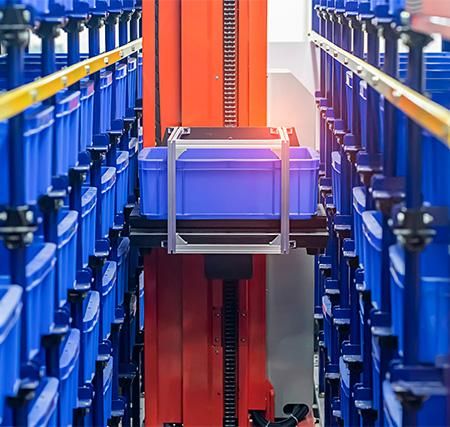
Manufacturing operations can also start with replenishment and line-side delivery. Mobile robots can deliver totes, pallets, or parts to designated stations and return empty containers or pallets to the warehouse. These workflows are usually stable and can often be automated independently.
For a small warehouse implementing automation for the first time, it is often more practical to choose one stable workflow with clear labor input. Once that process is running reliably, additional stations or transport tasks can be added.
Improve Warehouse Operations with Automation
The right automation approach usually depends on where the warehouse is losing the most time each day.
If pickers spend a large amount of time walking, the goal may be to reduce travel distance. If forklifts repeat the same routes all day, part of that fixed transport can be assigned to AGVs or AMRs. If storage locations are becoming tight, it may be time to look at how much additional density can still be gained from the existing space.
Different problems call for different solutions. AMRs are well suited to flexible point-to-point transport, AGVs can handle stable and repetitive material movement, and AS/RS is more focused on storage density and automated storage and retrieval.
A small warehouse can start with just one process. As order volume, SKU count, or warehouse workload increases, the system can be expanded with additional vehicles, stations, or automation equipment.
If you are evaluating Small Scale Warehouse Automation, you can contact Coolyne to discuss your current warehouse layout, material flow, task volume, and suitable automation options.
Next Review
Move from article research to a scoped feasibility review.
Use the related products and solution paths below, then send your workflow and layout for a quick engineering review.
Related Solutions
Engineering Review