
Related Products
AGVs for the Food Industry: Applications, Benefits, and Automated Material Handling
In a food factory, forklifts and pallet trucks are busy almost every day moving raw materials, replenishing packaging supplies, and taking finished products to the warehouse.
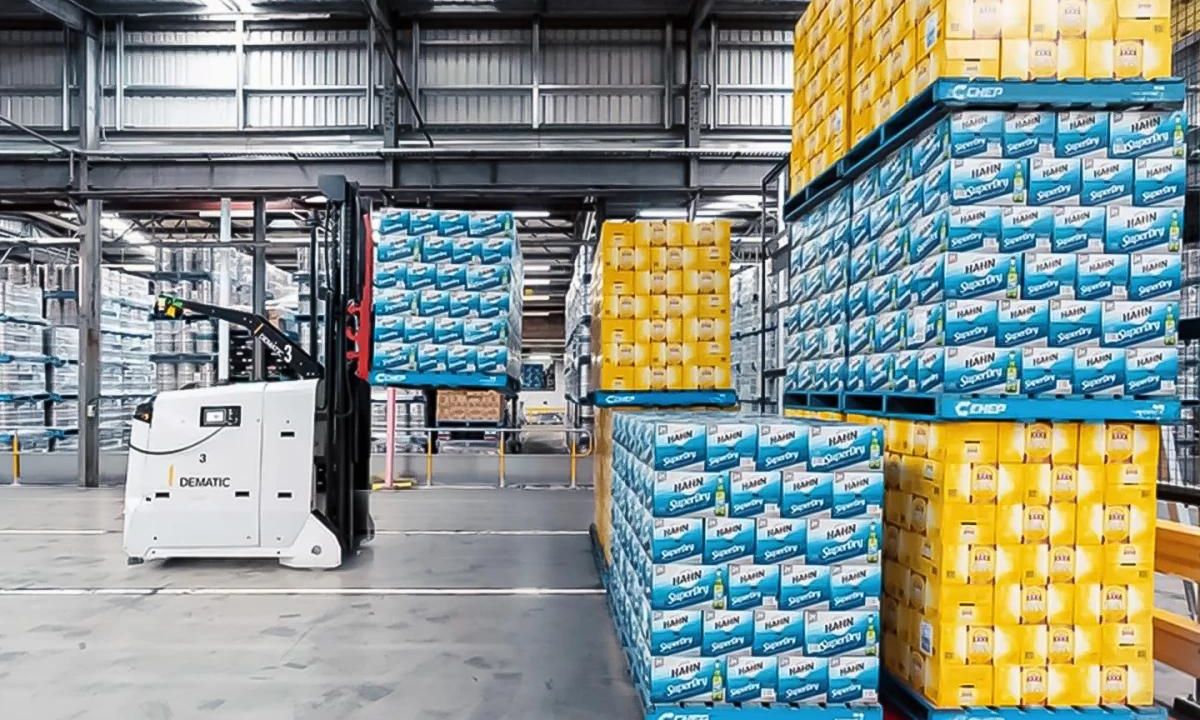
Food Industry Requirements · Applications of AGVs in the Food Industry · Benefits of AGVs in the Food Industry
In a food factory, forklifts and pallet trucks are busy almost every day moving raw materials, replenishing packaging supplies, and taking finished products to the warehouse. Material transport is a constant part of the job, especially in plants with several production lines.
More food manufacturers are now using automated guided vehicles (AGVs) for these tasks. AGVs move loads along designated routes and can work with production equipment, conveyors, and warehouse management systems to automate transport that previously depended on manual handling.
Food Industry Requirements
Food plants have different requirements for material handling equipment than general warehouses. Beyond moving the load, hygiene, operating temperatures, and the effect on ongoing production all matter.
Hygiene and Contamination Control
Food plants regularly clean their equipment and floors. If an AGV is going to operate in a food processing area, its surfaces and components need to withstand the cleaning methods used on site.
Some production areas, for example, are washed down regularly. In these environments, the AGV needs appropriate protection against water ingress. In areas with stricter hygiene requirements, surfaces that are easy to clean and do not trap dirt are also important.
There may also be a risk of cross-contamination between different food production areas, particularly where raw and cooked foods or allergens are involved. AGV routes need to follow the plant’s existing hygiene zones rather than cross segregated areas freely.
Temperature and Humidity
Food production sometimes takes place in cold or damp conditions. Cold storage is a common example.
A standard AGV may not be suitable for direct use in a freezer. Low temperatures affect battery performance, while condensation can form when a vehicle moves between temperature zones and affect sensors or electrical components.
Where floors are frequently wet, wheel traction, braking distance, and reliable navigation and positioning also need to be considered.
Safety Around People and Equipment
In a food plant, people frequently move between production lines to push carts, inspect equipment, or carry out other tasks. AGVs may need to share some of these aisles with workers.
Vehicles therefore typically need safety laser scanners, emergency stop devices, and other suitable safety equipment. Travel speeds should also reflect the aisle layout and pedestrian activity.
If an AGV passes through automatic doors or works alongside conveyors and other production machinery, the signals and coordination between devices need to be planned in advance.
Applications of AGVs in the Food Industry
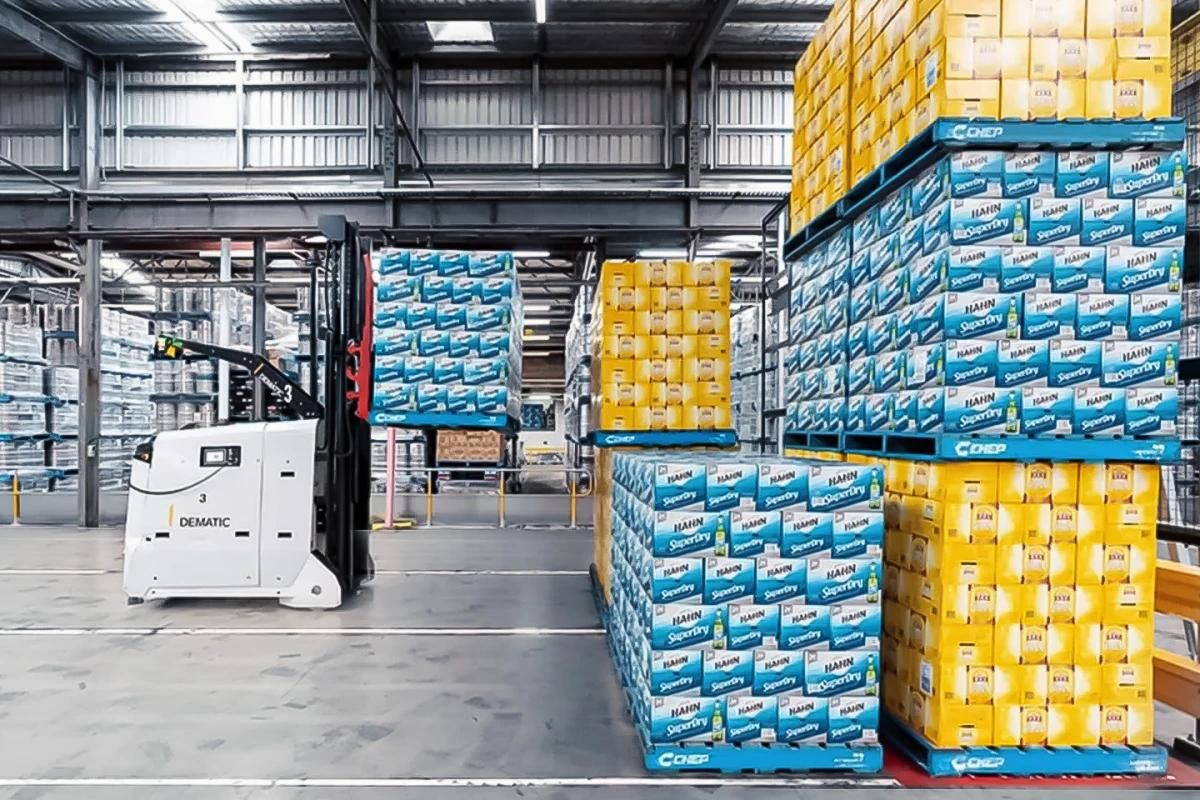
From receiving raw materials to shipping finished products, many transport tasks in a food plant can be handled by AGVs.
1. Raw Material Delivery
Flour, sugar, cooking oil, and other ingredients often need to be transported from storage to different production areas.
Where materials are carried on pallets or in dedicated transport containers, AGVs can make deliveries according to production tasks.
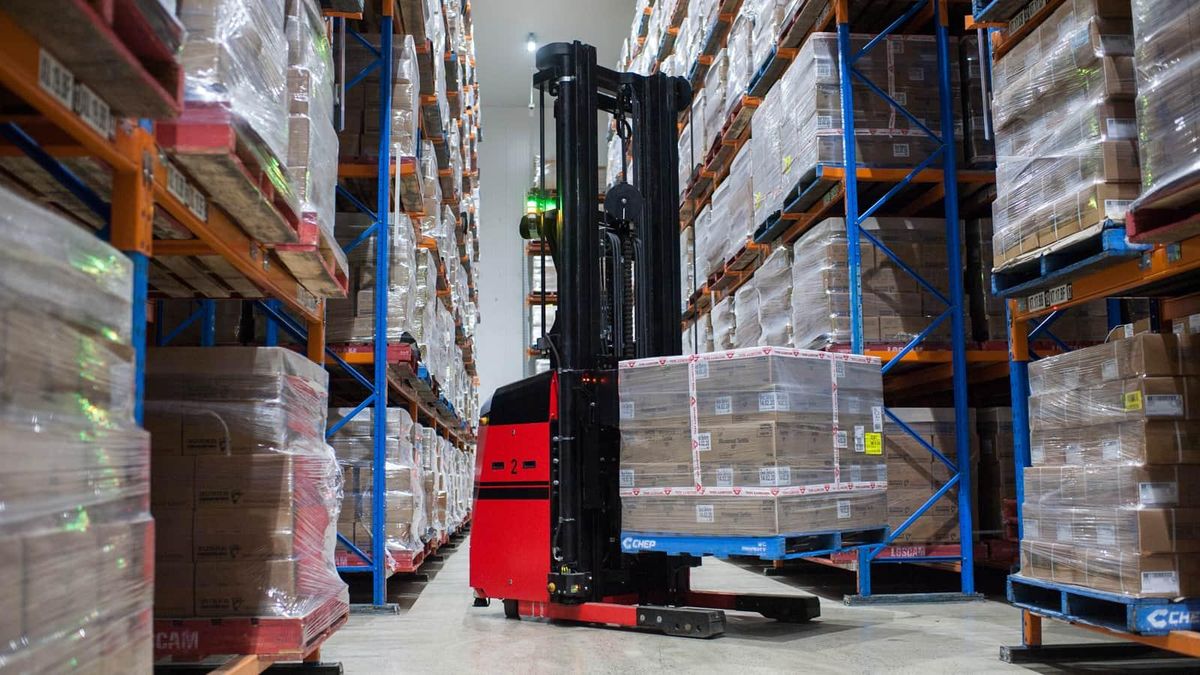
For example, a plant may have several production lines, each using different ingredients and following a different replenishment schedule. AGVs can take the required materials to designated locations based on task instructions, without having someone drive a forklift back and forth from the warehouse every time.
2. Packaging Material Replenishment
Cartons, packaging bags, bottles, and empty pallets also need to be replenished regularly.
On beverage and snack production lines, a shortage of packaging materials can mean stopping the equipment until more supplies arrive.
AGVs can bring packaging materials from the warehouse or staging area to points near the line. They can also return empty pallets and reusable containers to designated locations.
3. Finished Pallet Transport
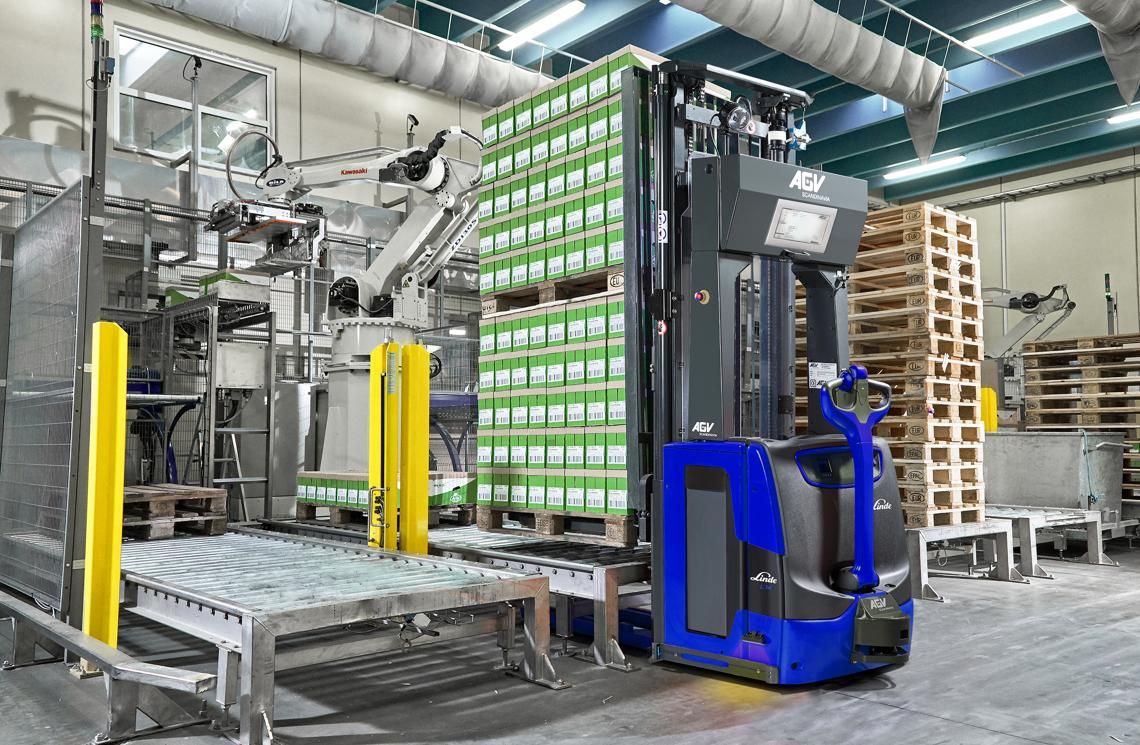
Once food products have been packaged and palletized, they usually need to be moved into finished goods storage.
These routes are often quite fixed, making them suitable for forklift AGVs or other pallet-handling AGVs.
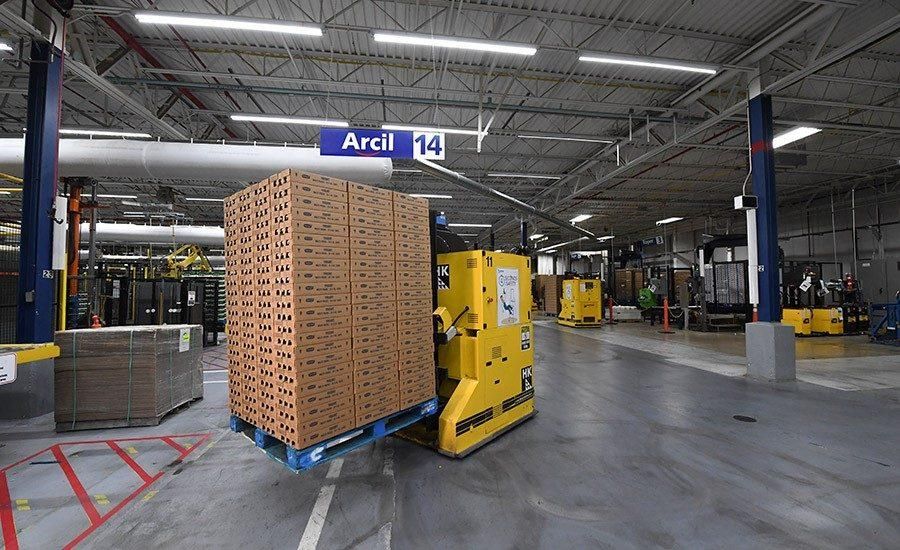
In a beverage plant, for example, an AGV can collect a completed pallet from an automatic palletizer’s pickup point and take it to a designated warehouse area. Where conveyors are installed, the AGV can also interface with them for automated load transfer.
4. Cold Storage and Cold Chain Logistics
Frozen foods, meat products, and certain dairy products need to be stored and transported under controlled temperatures.
AGVs configured for low-temperature operation can handle pallet transfers, putaway, and retrieval in cold storage, reducing the time workers spend moving loads in cold environments.
For plants with chilled, frozen, and ambient-temperature areas, routes and vehicle configurations need to account for the conditions in each zone.
Benefits of AGVs in the Food Industry
Less Repetitive Manual Transport
Many food plants carry out the same transport tasks every day, such as moving ingredients from the raw material warehouse to production lines or taking finished pallets from the packing area to storage.
These jobs often follow fixed routes and happen frequently. With AGVs handling the repeated trips, employees can spend more time on production, equipment management, and quality checks.
More Consistent Material Supply to Production Lines
Manual transport depends on staffing, shift schedules, and unexpected tasks. When several production lines need supplies at the same time, forklifts may have to move between different workstations.
AGVs can move materials based on production tasks or replenishment requests, while a fleet management system coordinates the vehicles. For lines that need frequent replenishment, this can reduce waiting caused by delays in material delivery.
Improved Material Handling Safety
Food plant packaging areas often have heavy pallet and forklift traffic, with workers and vehicles regularly crossing paths.
AGVs follow planned routes and use appropriate safety detection functions, which can reduce some risks associated with manual driving. In areas with fixed transport routes and frequent pedestrian movement, a properly designed AGV system can also make on-site traffic easier to manage.
Easier Tracking of Material Movements
Food production often requires records of raw material batches, production times, and where finished products are sent.
An AGV fleet management system can store the origin, destination, and completion time of transport tasks. When connected to a WMS or MES, those records can also be linked to material or batch information, making it easier to track movements between the warehouse and production lines.
Integrating AGVs into Your Food Production
Every food plant has a different layout, transport routes, and hygiene requirements, so AGVs need to be configured for the conditions on site.
If you need to deliver raw materials, replenish packaging lines, or move finished pallets, share your plant layout and material handling process with Coolyne. We can help you select suitable AGVs and plan the transport routes and equipment interfaces. Contact Coolyne to discuss your project.
Next Review
Move from article research to a scoped feasibility review.
Use the related products and solution paths below, then send your workflow and layout for a quick engineering review.
Related Solutions
Engineering Review