
Related Products
What Is a Logistics Hub? Types, Operations, Benefits, and Location Factors
Learn what logistics hubs are, how they operate, their main types and benefits, and the location factors that shape supply chain performance.
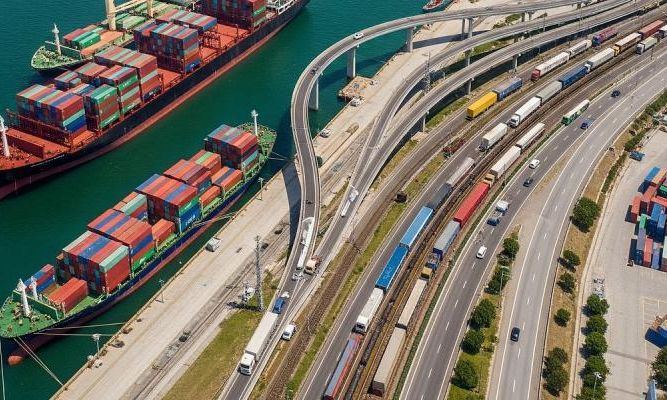
Learn what logistics hubs are, how they operate, their main types and benefits, and the location factors that shape s...
Goods moving from suppliers to factories, warehouses, retail locations, or end customers usually pass through multiple transportation and storage nodes. As supply chains expand, businesses often find it difficult to manage all consolidation, transfer, and distribution activities through a single warehouse.
A logistics hub connects cargo flows, transportation resources, and information systems from different origins, destinations, and modes of transport. It is not simply a place where goods are stored. It is a key supply chain node where cargo is consolidated, sorted, transferred, and dispatched.
A well-planned logistics hub can shorten transportation distances, improve vehicle utilization, reduce unnecessary handling, and strengthen the supply chain’s ability to respond to demand fluctuations and transportation disruptions.
What Is a Logistics Hub?
A logistics hub is a key node within a supply chain network where goods are received, processed, sorted, consolidated, and transferred.
Goods arriving from different suppliers, factories, ports, or regional warehouses can first be delivered to the hub. They are then grouped or separated according to destination, transportation route, delivery schedule, or order requirements before being sent to the next supply chain node.
A logistics hub may perform functions such as:
- Receiving and unloading goods
- Temporary storage and inventory management
- Sorting and order consolidation
- Container loading, unloading, and repacking
- Transfers between different modes of transport
- Regional distribution and last-mile delivery
- Transportation planning and vehicle scheduling
- Shipment tracking and data management
A logistics hub is not exactly the same as a conventional warehouse.
A warehouse primarily focuses on storing, protecting, picking, and dispatching inventory. A logistics hub places greater emphasis on the rapid movement of goods and the coordination of transportation across the supply chain. Some logistics hubs include large warehousing facilities, but storage is only one part of their overall function.
For example, imported goods may arrive at a logistics hub near a port, where they are divided according to orders for different cities. The shipments can then be transported by road or rail to several regional distribution centers. In this process, the logistics hub manages import receiving, sorting, temporary storage, and the transition between transportation stages.
Types of Logistics Hubs
There is no single way to classify logistics hubs. They can be categorized according to transportation mode, geographic coverage, cargo type, or supply chain function.
Road Logistics Hubs
Road logistics hubs rely primarily on trucks and other road vehicles to consolidate, transfer, and distribute goods.
They are usually located near highways, urban ring roads, or major industrial areas and are commonly used for regional distribution, less-than-truckload shipments, full-truckload transportation, and urban delivery.
Road transportation provides a high degree of flexibility because it can connect directly with factories, warehouses, stores, and customer locations. Road logistics hubs are therefore widely used in domestic distribution and short-haul transportation networks.
Rail Logistics Hubs
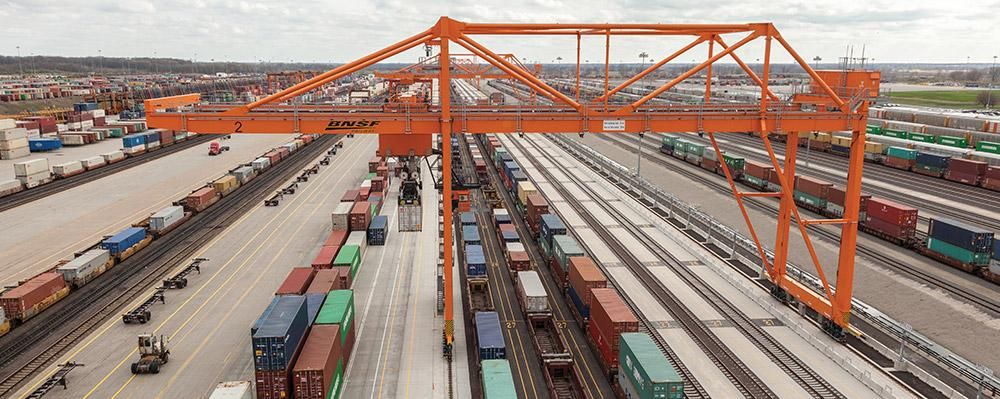
Rail logistics hubs connect railway networks with road transportation, warehouses, and industrial facilities. They are generally used for large-volume, long-distance cargo movements.
Commodities and products such as coal, ore, steel, vehicles, machinery, containers, and bulk industrial materials are often suitable for rail transportation. After arriving at a rail hub, the cargo can be transferred to trucks for delivery to factories, warehouses, or final destinations.
Rail logistics hubs can improve the efficiency of long-distance transportation, but they usually require suitable loading equipment, container yards, and dedicated rail connections.
Port Logistics Hubs
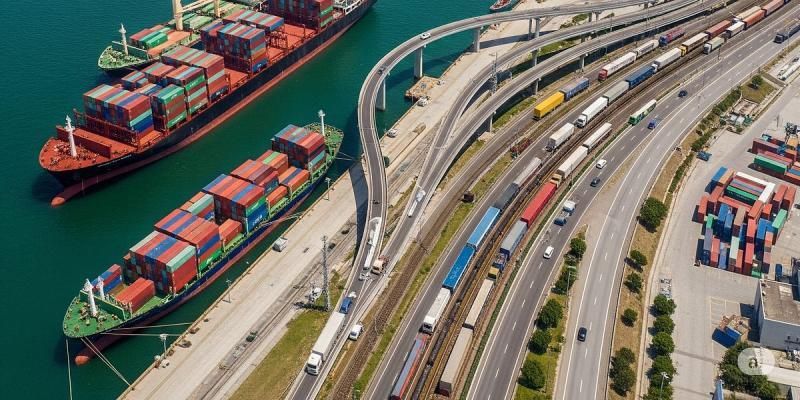
Port logistics hubs are located at or near seaports and inland ports, connecting maritime shipping with inland transportation networks.
Their common functions include:
- Container loading and unloading
- Temporary storage of imported and exported goods
- Customs clearance and inspection
- Container stuffing and deconsolidation
- Transfers to road, rail, or inland waterway transportation
- Bonded warehousing and value-added processing
For companies engaged in international trade, port logistics hubs are important links in the global supply chain. Port handling efficiency, customs clearance times, and inland transportation capacity can all affect the overall delivery schedule.
Air Logistics Hubs
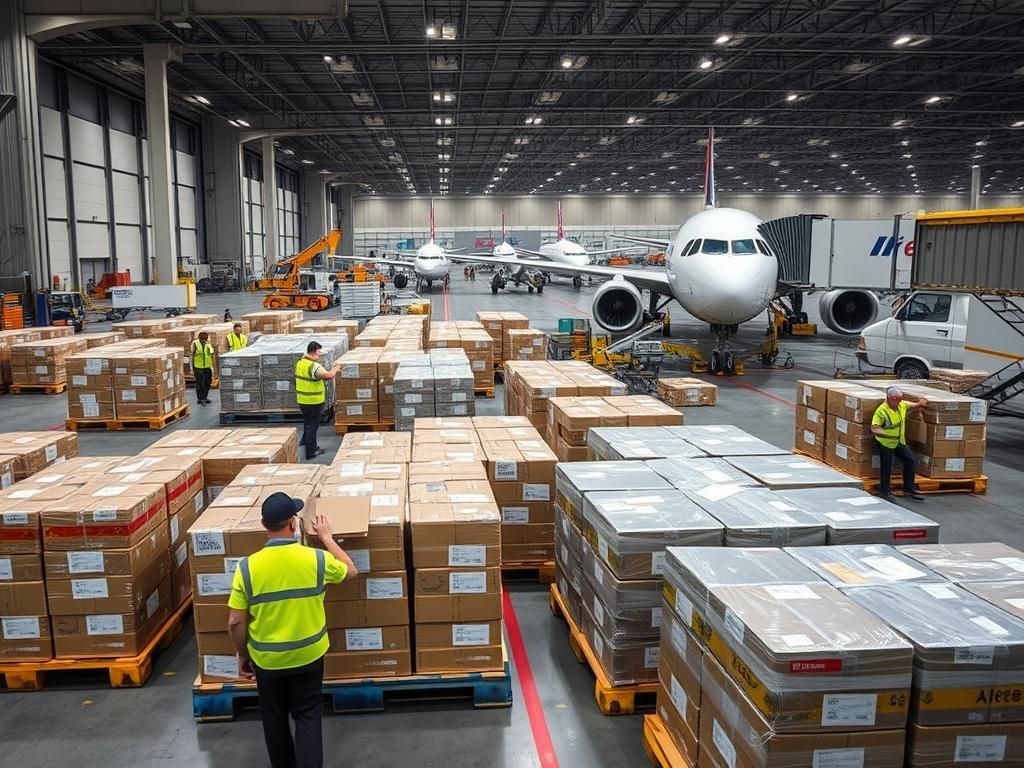
Air logistics hubs are generally located at major airports or within airport logistics parks. They primarily handle high-value, time-sensitive goods or shipments with strict delivery requirements.
Common cargo includes electronics, pharmaceuticals, fresh food, emergency spare parts, and cross-border e-commerce parcels.
Air logistics hubs focus on rapid sorting, security screening, customs processing, and flight connections. Because air freight is relatively expensive, these hubs usually prioritize speed rather than long-term storage.
Intermodal Logistics Hubs
Intermodal logistics hubs connect two or more modes of transportation, such as:
- Road and rail
- Road and sea
- Rail and sea
- Air and road
- A combination of sea, rail, and road transportation
Goods can be transferred between transportation modes without changing their final destination.
Intermodal transportation allows businesses to combine the advantages of different modes. Rail and sea freight can handle large-volume, long-distance movements, while road transportation provides flexible connections at the origin and destination.
Regional Distribution Hubs
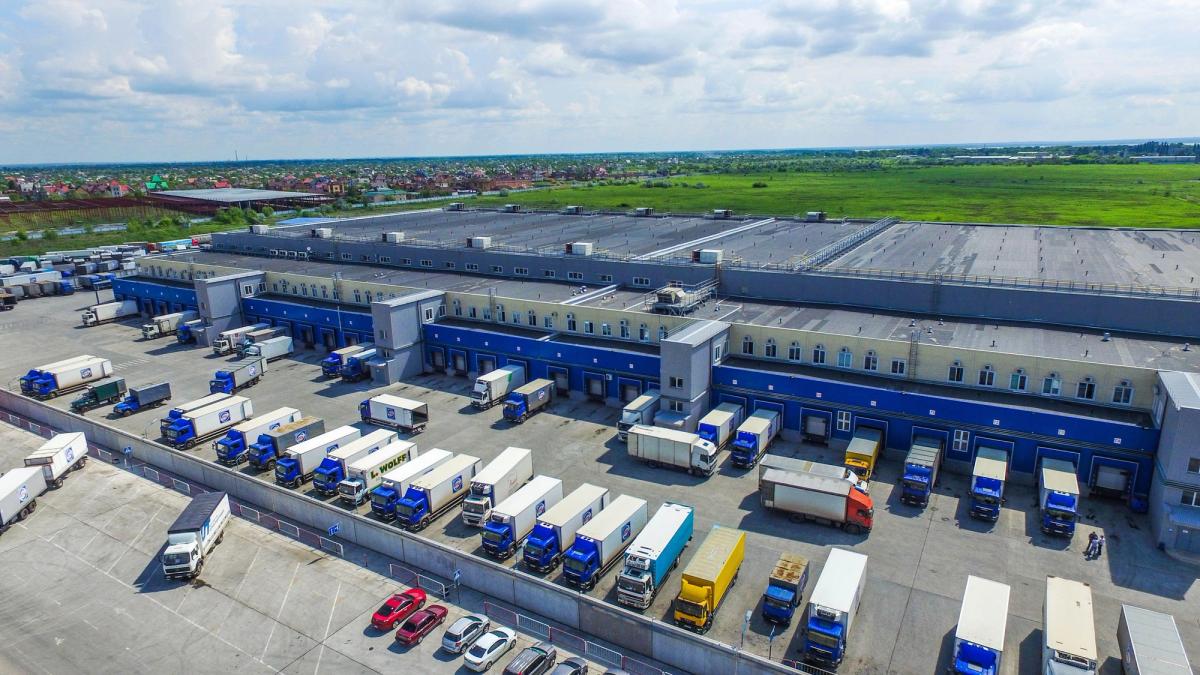
Regional distribution hubs serve a particular country, state, province, metropolitan area, or sales territory.
Goods are usually transported in bulk from factories or central warehouses to the regional hub. They are then divided according to orders from stores, distributors, factories, or customers.
This model shortens the distance of final delivery and reduces the need to ship every individual order directly from a distant central warehouse.
Urban Logistics Hubs
Urban logistics hubs are generally located near cities or major consumer markets. They support urban distribution, order consolidation, and last-mile delivery.
Goods from multiple suppliers can be consolidated at the urban hub and loaded according to delivery routes. This reduces the number of partially loaded vehicles entering the city separately.
For e-commerce, retail, food service, fresh-food, and parcel-delivery businesses, urban logistics hubs can improve delivery density and order response times.
How Does a Logistics Hub Work?
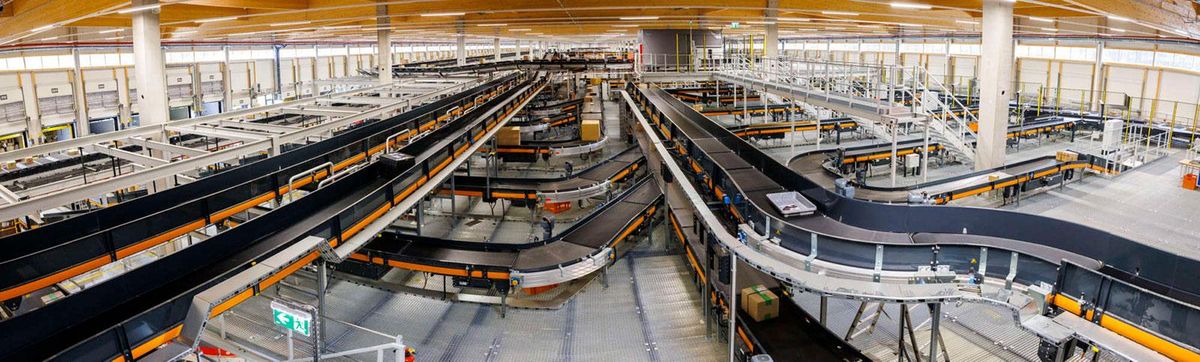
The exact operating process depends on the type of cargo, transportation mode, and service area. However, most logistics hubs follow several common stages, including arrival, inspection, processing, temporary storage, and outbound transportation.
Shipment Arrival and Scheduling
Goods arrive at the logistics hub from suppliers, factories, ports, airports, or other warehouses.
To reduce vehicle queues and congestion around loading areas, many logistics hubs use appointment systems. Vehicles are assigned a time window and loading dock according to the vehicle type, shipment volume, and handling requirements.
Unloading and Receiving Inspection
Once the vehicle arrives, employees or automated equipment unload the goods and check the quantity, packaging, labels, and physical condition.
The receiving information is then recorded in a warehouse management system or logistics management platform. If there is a quantity discrepancy, damaged packaging, or an incorrect label, the goods may be directed to an exception-handling area rather than entering the standard process.
Sorting and Destination Identification
The system classifies goods according to customer orders, destinations, transportation modes, and delivery deadlines.
For example, one truck may carry goods for several cities. After the shipment enters the hub, the goods can be sorted by route and assigned to the appropriate outbound vehicles.
Barcodes, RFID, machine vision, and automated sorting systems can help identify each shipment and direct it to the correct processing area.
Temporary Storage or Direct Transfer
Not all goods entering a logistics hub require long-term storage.
Some shipments are placed in racks, storage yards, or automated storage systems while they wait for an order or transportation arrangement. Others move through a cross-docking process, transferring directly from the receiving area to the outbound area after inspection and sorting.
Cross-docking reduces storage time and repeated handling, but it requires close coordination between inbound schedules, order data, and outbound transportation.
Order Consolidation and Value-Added Processing
Goods arriving from different suppliers or transportation batches may need to be combined into a single customer order.
Some logistics hubs also provide value-added services such as repacking, labeling, kitting, quality inspection, light assembly, or customs documentation.
These operations prepare the goods to meet the requirements of customers, retailers, or import markets before they enter the next transportation stage.
Outbound Handling and Transportation Scheduling
After sorting or order processing is complete, goods are assigned to the appropriate outbound dock.
A transportation management system can create loading and dispatch plans based on destination, vehicle capacity, delivery deadlines, and route conditions. Orders with nearby destinations can be combined to improve vehicle utilization and reduce empty mileage.
After the goods leave the logistics hub, their transportation status can continue to be tracked until they reach the next warehouse, store, factory, or end customer.
Benefits of a Logistics Hub
The purpose of a logistics hub is not simply to add another cargo-handling facility. Its main value lies in reorganizing transportation and inventory flows across the supply chain.
Consolidating Goods and Improving Transportation Efficiency
Small shipments from multiple suppliers or production facilities can be consolidated at the logistics hub.
Businesses can combine multiple partial loads into full truckloads, full containers, or other higher-capacity transportation units, reducing empty mileage and low vehicle utilization.
Shortening Regional Delivery Distances
By establishing regional logistics hubs near major markets, companies can move inventory closer to customers in larger batches.
Once an order is placed, goods can be shipped directly from the regional hub instead of traveling from a distant central warehouse. This can shorten delivery times and improve order responsiveness.
Connecting Different Transportation Modes
Logistics hubs create transfer points between sea, rail, road, and air transportation.
Businesses can select different transportation combinations based on cargo value, distance, delivery deadlines, and cost requirements rather than relying entirely on one mode.
Reducing Duplicate Transportation
When every supplier ships separately to multiple customers, routes can overlap and create unnecessary transportation.
A logistics hub consolidates goods and reorganizes outbound routes by destination, reducing repeated mileage and inefficient cargo movements.
Supporting Shared Inventory
A logistics hub can serve multiple stores, factories, or sales regions, reducing the need to hold large quantities of separate inventory at every location.
Centralized inventory management can reduce duplicate stock and allow products to be transferred between regions according to actual demand.
Improving Supply Chain Visibility
Integrated warehouse management systems, transportation management systems, and shipment-tracking platforms provide information about cargo locations, inventory status, vehicle schedules, and estimated arrival times.
Better visibility helps businesses identify delays, adjust transportation plans, and respond to exceptions more quickly.
Strengthening Supply Chain Resilience
When a transportation route, supplier, or warehouse is disrupted, a logistics hub provides additional options for reallocating or rerouting goods.
Shipments can be redirected through alternative transportation modes, warehouses, or distribution regions, reducing the impact of a failure at a single supply chain node.
Logistics Hub Location
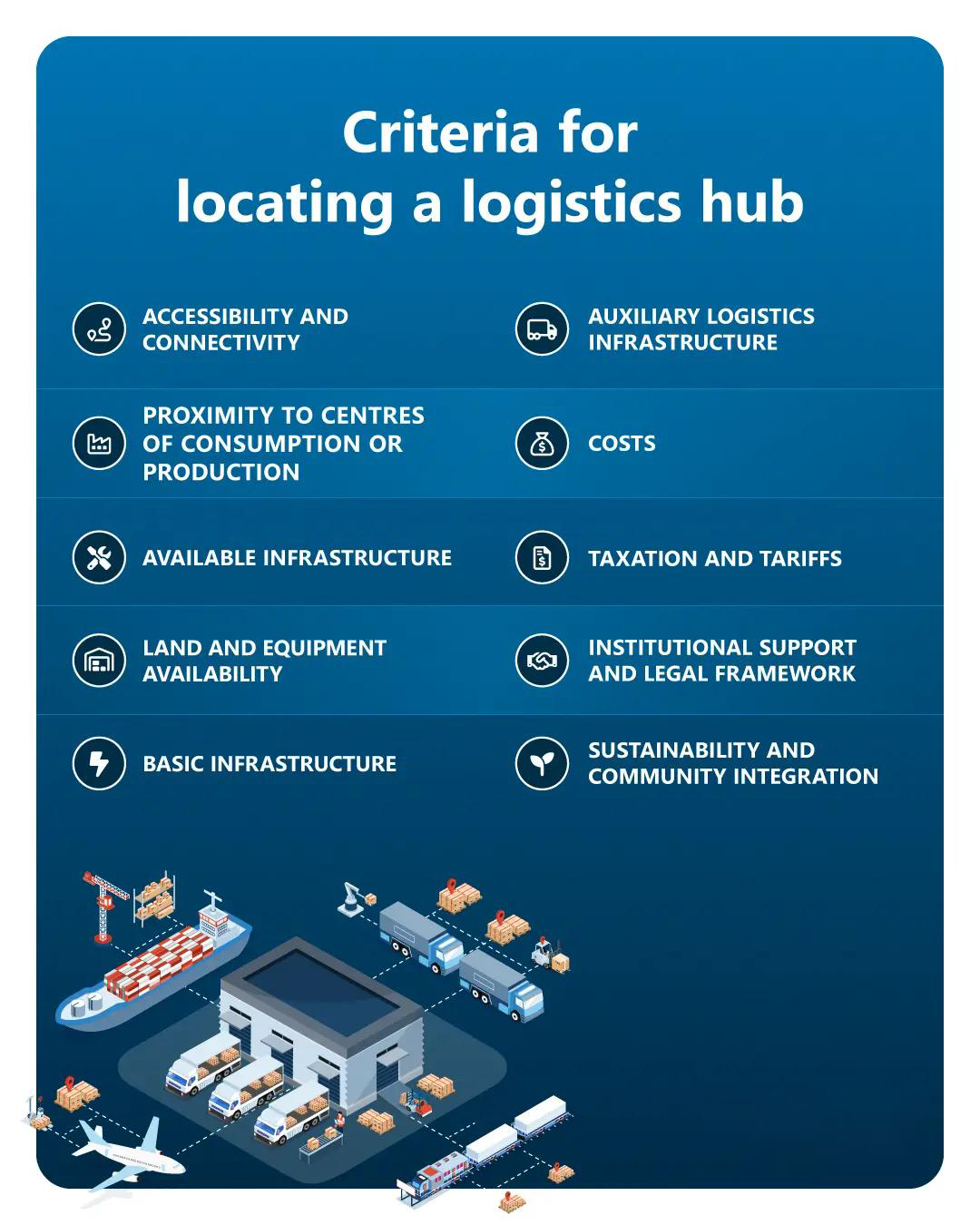
The location of a logistics hub directly affects transportation costs, delivery times, labor availability, and future expansion capacity. Site selection should not be based only on land prices or warehouse rent. It should be evaluated as part of the wider logistics network.
Access to Major Transportation Networks
A logistics hub generally needs convenient access to highways, railway freight terminals, ports, airports, or inland waterways.
Strong transportation connections reduce the time vehicles spend traveling between the hub and the main transportation network. They also make it easier to transfer goods between different modes.
However, physical proximity to a transportation node does not always guarantee efficient access. Businesses must also consider road congestion, vehicle restrictions, port queues, and railway service frequency.
Proximity to Supply Sources or Customer Markets
If the logistics hub mainly consolidates raw materials, a location near suppliers, ports, or production facilities may be more appropriate.
If its main purpose is order distribution, customer locations, population density, retail networks, and major consumer markets become more important.
Some businesses establish separate logistics nodes near supply sources and customer markets to balance long-distance transportation with final delivery requirements.
Transportation Costs and Delivery Times
Site selection should account for the combined cost of transportation from suppliers to the hub, from the hub to customers, and between different hubs.
A remote location with low land costs may increase driving distances and driver hours. A site closer to a city may be more expensive but shorten last-mile delivery times.
The most suitable location is usually not the site with the lowest cost in one category, but the one that offers a more practical balance between total logistics cost and service performance.
Land, Building, and Expansion Capacity
A logistics hub requires sufficient space for warehouses, storage yards, loading docks, vehicle routes, and parking areas.
Future expansion should also be considered. If the initial site is tightly restricted by nearby roads, buildings, or property boundaries, increasing warehouse space or transportation capacity later may be difficult.
Labor and Operational Resources
Logistics hubs require warehouse operators, maintenance technicians, drivers, dispatchers, and information systems personnel.
A site may be geographically attractive but difficult to operate if the local labor supply is limited, commuting is inconvenient, or employee turnover is high.
Automation can reduce some repetitive manual work, but equipment maintenance, system management, and exception handling still require qualified technical personnel.
Regulatory, Tax, and Customs Conditions
Land-use regulations, environmental requirements, vehicle restrictions, and operating permits can all affect the construction and operation of a logistics hub.
International logistics hubs must also consider customs procedures, bonded-zone policies, import and export requirements, and inspection capacity. Favorable policies and efficient customs processing can reduce waiting times, while complex regulatory requirements may increase operating costs.
Natural Disasters and Supply Chain Risk
Site selection should also consider exposure to floods, earthquakes, typhoons, wildfires, and other natural hazards.
If the logistics network depends too heavily on one region or a single hub, a major disruption can affect several markets at once. Large businesses often reduce this concentration risk through backup hubs, alternative transportation routes, and distributed inventory.
Next Review
Move from article research to a scoped feasibility review.
Use the related products and solution paths below, then send your workflow and layout for a quick engineering review.
Related Solutions
Engineering Review