
Related Products
3PL Warehouse Automation: How Third-Party Logistics Providers Improve Fulfillment Efficiency
How 3PL warehouse automation uses software, robots, automated storage, picking, and sortation to improve multi-client fulfillment operations.
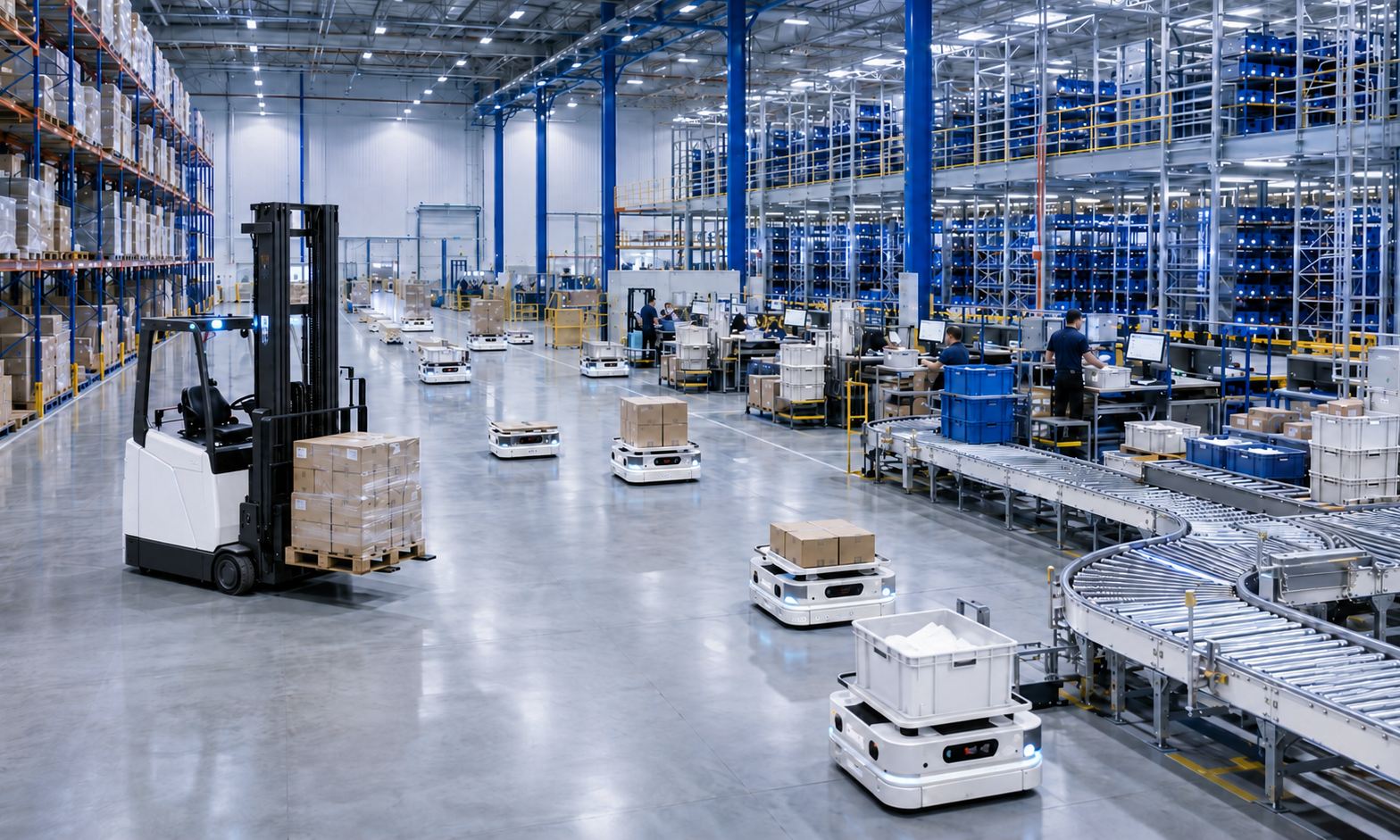
How 3PL warehouse automation uses software, robots, automated storage, picking, and sortation to improve multi-client...
As e-commerce order volumes grow, SKU counts increase, and consumers expect faster delivery, third-party logistics warehouses are facing greater operational pressure. Traditional receiving, putaway, picking, sorting, and packing processes that rely heavily on manual labor are vulnerable to labor shortages and rising labor costs. They also make it difficult to scale processing capacity quickly during promotional campaigns and peak seasons.
3PL warehouse automation connects people, inventory, orders, and equipment through warehouse software, automated storage systems, mobile robots, and automated sorting equipment. For third-party logistics providers, the value of automation goes beyond reducing labor. More importantly, it enables a single warehouse to reliably handle different clients, SKUs, and fulfillment requirements.
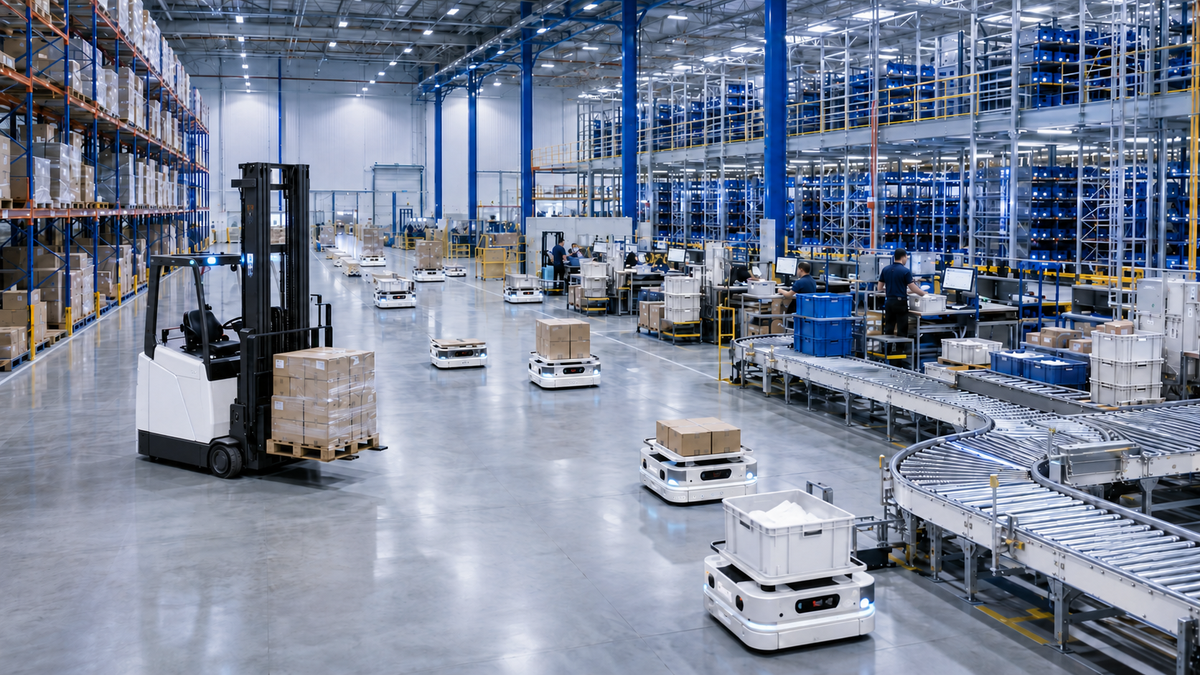
What Is Third-Party Logistics Automation?
Third-party logistics automation refers to the use of software, robots, and automated equipment by 3PL providers to complete or assist with warehouse operations such as receiving, putaway, storage, replenishment, picking, sorting, packing, and shipping.
A conventional warehouse usually serves a single company, while a 3PL warehouse must manage inventory for multiple brands at the same time. Each client may have different SKUs, packaging specifications, order priorities, inventory rules, and distribution channels. Therefore, third-party logistics automation must do more than control equipment. It must also accurately separate each client’s inventory and orders and schedule operations according to service-level agreements.
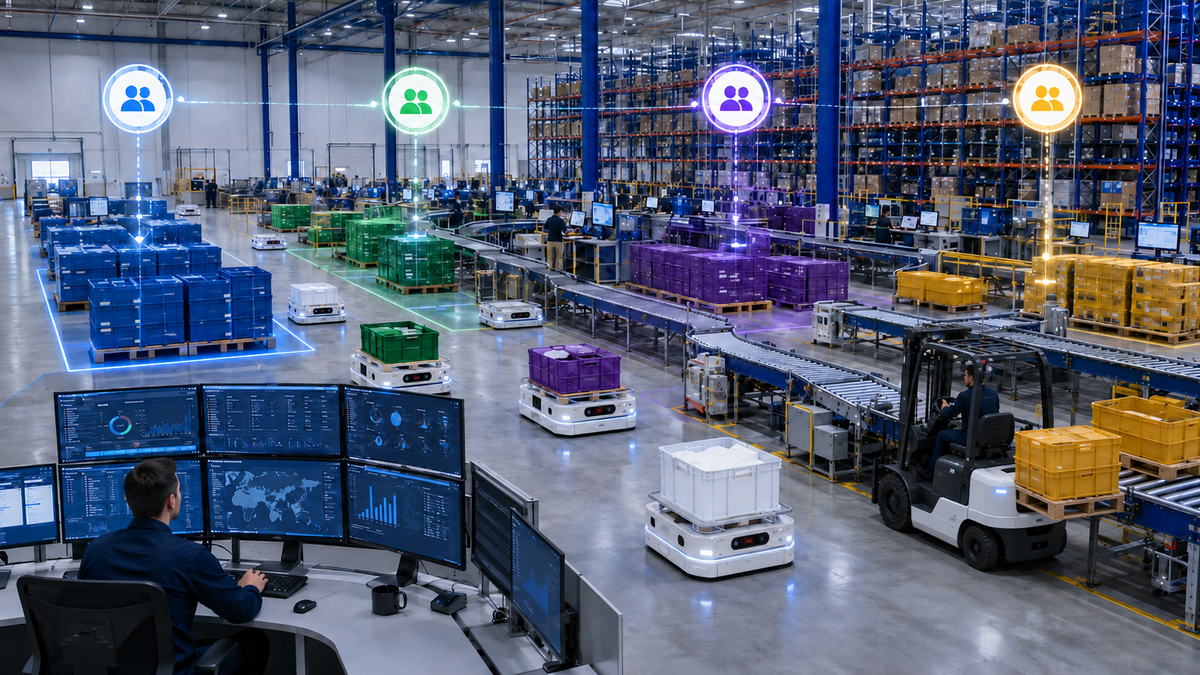
For example, after the warehouse receives an e-commerce order, the warehouse management system can confirm the inventory location and generate a picking task. The warehouse execution system then schedules the task based on order priority and workstation capacity. AGVs, AMRs, shuttle systems, or conveyors transport the goods to the picking station. Once picking is complete, the automated sorting system routes the packages according to carrier, destination, or shipping route.
The entire process is coordinated through software, reducing manual searching, material handling, and repetitive data entry.
Benefits of Third-Party Logistics Warehouse Automation
Increased Order Processing Capacity
Automated equipment can continuously perform material handling, storage, and sorting tasks, reducing the time employees spend walking, searching for goods, and waiting for equipment. Warehouses can process more orders without increasing staffing at the same rate, making it easier to respond to promotional periods and seasonal demand peaks.
Improved Order Accuracy
Barcodes, RFID, vision systems, and warehouse management software can verify product information during receiving, putaway, picking, and shipping. This helps reduce incorrect picks, missed items, and orders fulfilled with the wrong client’s inventory. Greater order accuracy also lowers the costs associated with returns, reshipments, and customer complaints.
Lower Fulfillment Cost per Order
Automation projects usually require an upfront investment. However, once order volumes reach a certain level, the amount of labor required for walking, repetitive material handling, and manual sorting can be significantly reduced. A 3PL provider can process more orders with a more stable workforce, lowering the average fulfillment cost per order.
Better Use of Warehouse Space
AS/RS, bin storage systems, and high-density shuttle systems can make better use of vertical warehouse space while reducing the need for some manual-access aisles. For 3PL providers facing high warehouse rental costs or steadily increasing inventory volumes, these systems can expand storage capacity within the existing building footprint.
Support for Multi-Client Business Growth
Modular 3PL warehouse automation can be expanded gradually as order volumes, client numbers, and service requirements increase. A 3PL provider can add robots, workstations, or storage modules without redesigning the entire warehouse every time it brings on a new client.
Clearer Operational Data
Warehouse automation software can record inventory changes, order processing times, equipment utilization, workstation workloads, and operational exceptions. Managers can calculate fulfillment costs for different clients more accurately and use the data to continuously improve warehouse processes.
Third-Party Logistics Warehouse Automation Solutions
A third-party logistics warehouse usually requires multiple types of equipment and software to work together. The right automation solution should be designed around product dimensions, order profiles, SKU counts, peak demand, and the warehouse layout.
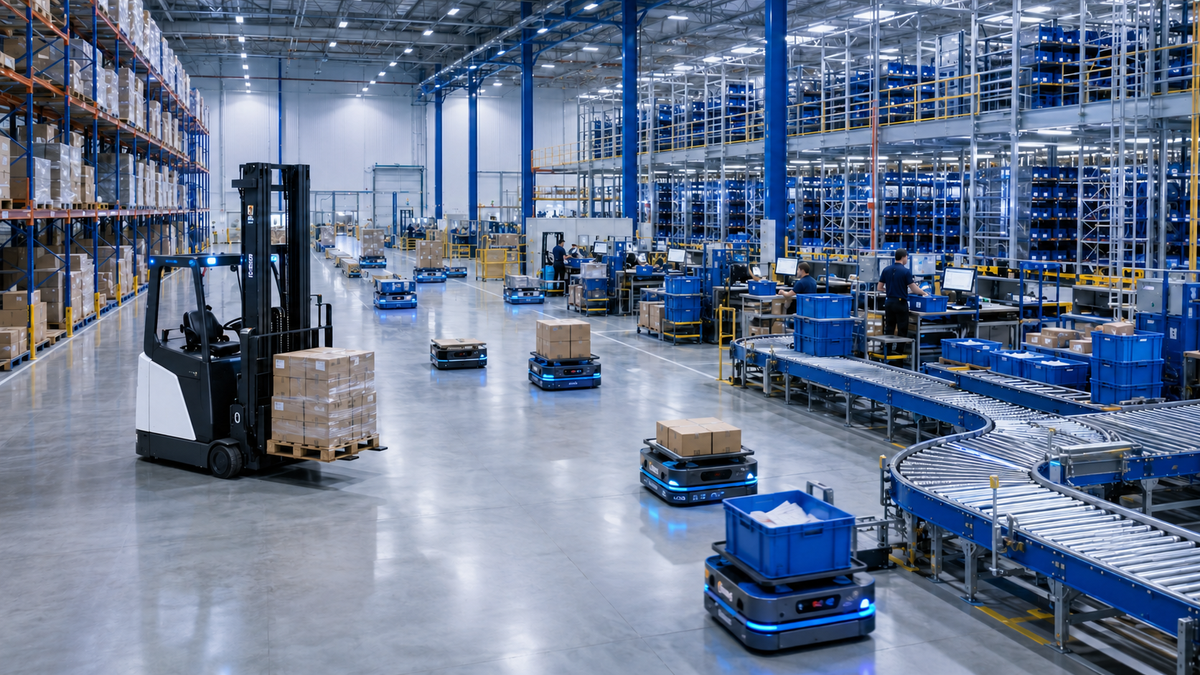
Warehouse Automation Software
A warehouse management system, or WMS, manages client inventory, storage locations, orders, and batch information. A warehouse execution system, or WES, manages order orchestration and task optimization. A warehouse control system, or WCS, connects automated equipment such as stacker cranes, conveyor lines, and sortation systems. A robot scheduling system manages task assignment, route planning, traffic control, and charging for AGVs and AMRs.
For a 3PL warehouse, the software should also support inventory separation for multiple clients, different billing rules, client data interfaces, and orders from multiple sales channels.
Automated Storage and Retrieval Systems
Pallet AS/RS solutions are suitable for high-density storage and the automated inbound and outbound handling of full pallets. Mini Load AS/RS, bin shuttle systems, and automated high-bay warehouses are suitable for storing small and medium-sized products, helping shorten retrieval times and improve space utilization.
These systems are particularly suitable for operations with a large number of SKUs, relatively stable inventory volumes, and high inbound and outbound frequencies.
AGVs, AMRs, and Autonomous Forklifts
Mobile robots can transport materials between receiving areas, storage zones, picking stations, packing areas, and shipping zones. Compared with fixed conveyor systems, AGVs and AMRs can adapt their routes more easily as warehouse layouts and business requirements change. They are also suitable for phased deployment.
Autonomous forklifts can handle pallet transportation, stacking, rack storage and retrieval, and dock transfers, reducing dependence on human operators for repetitive forklift tasks.
Goods-to-Person Picking Systems
Goods-to-person systems use robots, shuttle systems, or conveyors to deliver products to fixed picking stations. Operators no longer need to walk long distances between storage racks and can process multiple orders continuously from a single workstation.
For small products, high SKU counts, and frequent e-commerce orders, this approach can significantly increase the number of items picked per hour.
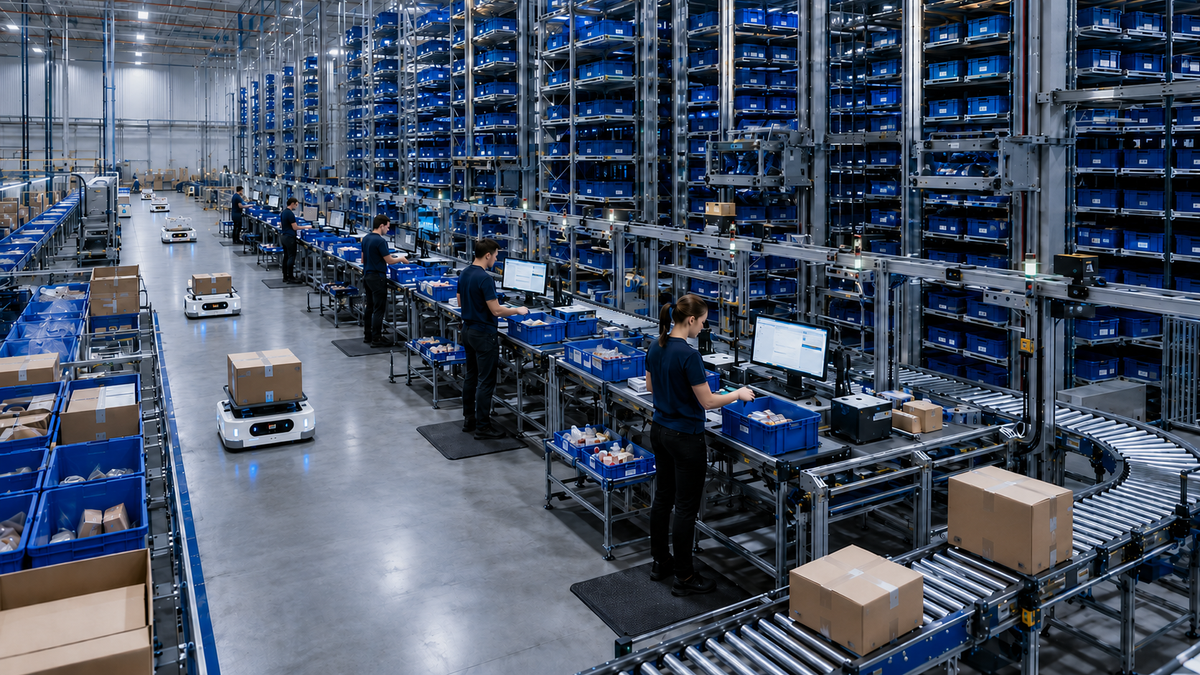
Automated Conveying and Sorting Systems
Conveyor systems continuously transport cartons, totes, or packages between different operational areas. Automated sortation equipment can then route them by client, order, carrier, destination, or shipping route. These systems are suitable for 3PL distribution centers that process large numbers of packages each day.
Why Not Every 3PL Automation Project Delivers Results
Automated equipment alone cannot guarantee a successful project. Some 3PL warehouses invest in robots or automated storage systems but fail to achieve the expected increases in throughput or reductions in operating costs. Common reasons include:
- The automation solution does not match the warehouse’s order profile.
- The provider focuses only on equipment pricing without analyzing the overall return on investment.
- The WMS, WCS, and client order systems are not reliably integrated.
- The system is not designed for peak order volumes or future business growth.
- Upstream and downstream processes are not upgraded at the same time, so improvements in one area simply create congestion elsewhere.
- The system lacks exception-handling procedures, backup processes, and manual intervention options.
- Insufficient resources are allocated to employee training, equipment maintenance, and software upgrades.
For example, an automated picking system may process orders quickly, but if the packing area does not have enough workstations, orders will still accumulate at the packing stage. In this situation, improving the efficiency of a single piece of equipment does not increase the throughput of the warehouse as a whole.
A 3PL warehouse automation project should therefore consider the complete process, from the moment an order enters the warehouse until it is shipped. The warehouse should identify its operational bottlenecks before selecting equipment. The project should also establish clear performance indicators, such as orders processed per hour, fulfillment cost per order, order accuracy, equipment utilization, and payback period.
Why Brands Should Ask About Automation Early
Third-party logistics warehouse automation is changing how 3PL providers handle fulfillment. It also directly affects a brand’s inventory accuracy, order processing speed, peak-season capacity, and ability to scale in the future. Brands should not wait until order volumes increase rapidly or fulfillment bottlenecks appear before evaluating a 3PL provider’s automation capabilities.
Assessing a 3PL provider’s software, automation equipment, peak processing capacity, and expansion plans at the beginning of the relationship can help a brand choose a logistics partner that is better suited to its long-term growth. This can result in more accurate inventory, faster order and return processing, and more reliable delivery services.
If your 3PL warehouse is planning an automation upgrade, contact us. Coolyne has extensive experience helping third-party logistics providers build flexible and scalable automated fulfillment systems.
Related Reading
Explore Warehouse Automation Software to understand the control layer behind 3PL operations, review Automated Warehouse Picking Systems for fulfillment workflows, and use the Warehouse Automation ROI guide when evaluating the business case.
Next Review
Move from article research to a scoped feasibility review.
Use the related products and solution paths below, then send your workflow and layout for a quick engineering review.
Related Solutions
Engineering Review