
Related Products
Heavy Load AGVs in Heavy Manufacturing: Types, Performance Differences, and Industry Applications
A Heavy Load AGV (Heavy-Duty Automated Guided Vehicle) is an automated guided vehicle designed to transport heavy or oversized industrial loads.
Types of AGVs for Heavy-Load Applications · How Do Heavy Load AGVs Differ From Standard AGVs? · Industries That Use Heavy Load AGVs
In steel, automotive, heavy machinery, and large-equipment manufacturing plants, material handling may involve steel coils weighing several tons, large molds, mechanical assemblies, or other heavy workpieces. These loads are typically moved by forklifts, cranes, or specialized transport vehicles.
Heavy Load AGVs can handle some of the internal transport tasks in these facilities, moving large loads automatically between production stations, buffer areas, and warehouses. When integrated with production equipment and logistics control systems, AGVs can also schedule material deliveries based on production tasks.
What Is a Heavy Load AGV?
A Heavy Load AGV (Heavy-Duty Automated Guided Vehicle) is an automated guided vehicle designed to transport heavy or oversized industrial loads.
Compared with conventional pallet-handling AGVs, heavy-duty models generally require stronger frames, greater drive and braking capacity, and load-bearing structures suited to the shape of the goods being transported.
Types of AGVs for Heavy-Load Applications
1. Heavy-Duty Platform AGVs
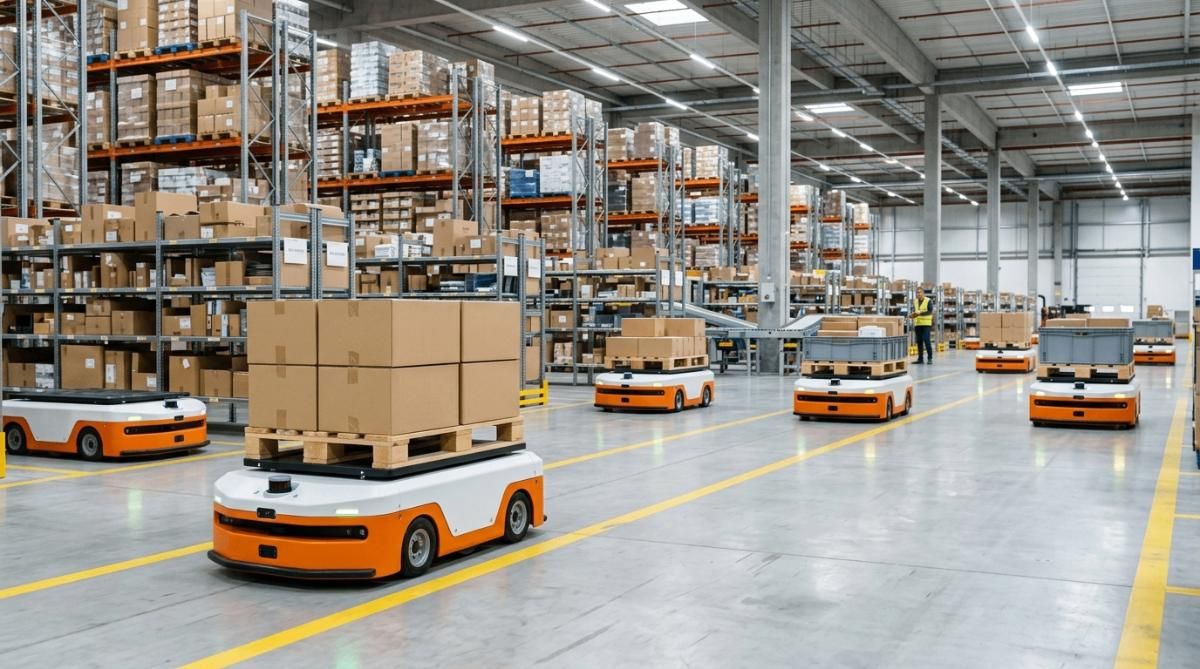
Platform AGVs use a low-profile, wide load-bearing platform to transport goods. They can carry large workpieces directly or be fitted with custom cradles, locating fixtures, or support structures.
Some platform AGVs use multi-wheel drive or omnidirectional steering, allowing them to move sideways, travel diagonally, or rotate in place. These movements help position large workpieces in confined spaces.
2. Heavy-Duty Lifting AGVs
Lifting AGVs can travel underneath a load carrier, tooling platform, or dedicated rack, lift it using hydraulic or other lifting mechanisms, and transport it to the designated location.
This approach suits heavy workpieces, molds, and large assemblies that require frequent transfers. Where production stations use standardized load carriers, it can also reduce manual loading and unloading between stations.
3. Heavy-Duty Tugger AGVs
Tugger AGVs pull heavy trailers or material carts using a towing connection. The AGV provides the tractive force, while the trailer wheels support most of the load weight.
Towing capacity must be calculated from the total trailer weight, rolling resistance, gradients, braking requirements, and turning space.
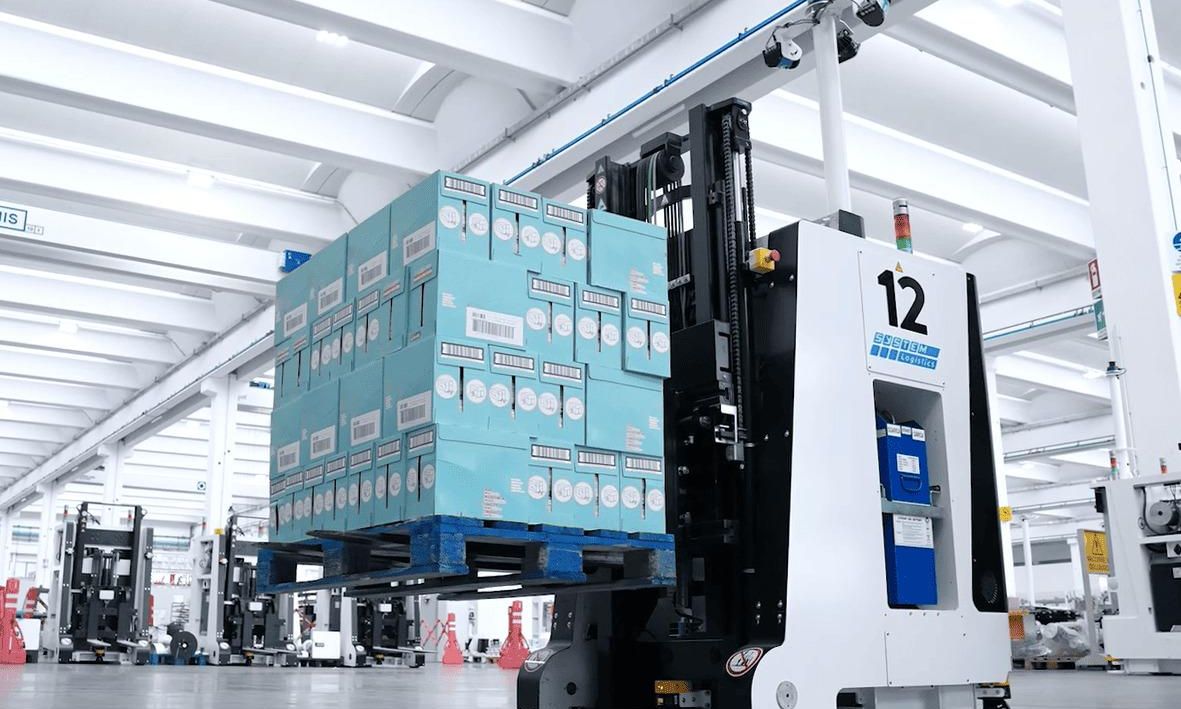
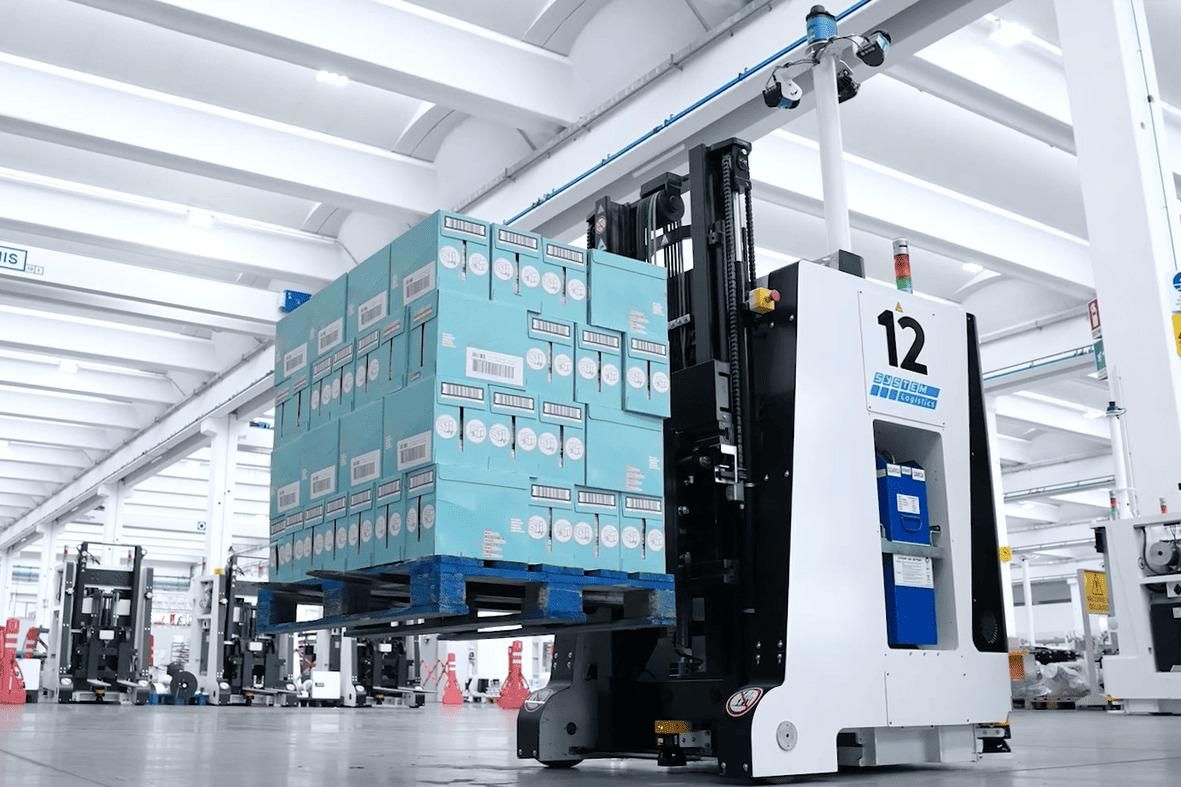
4. Heavy-Duty Forklift AGVs
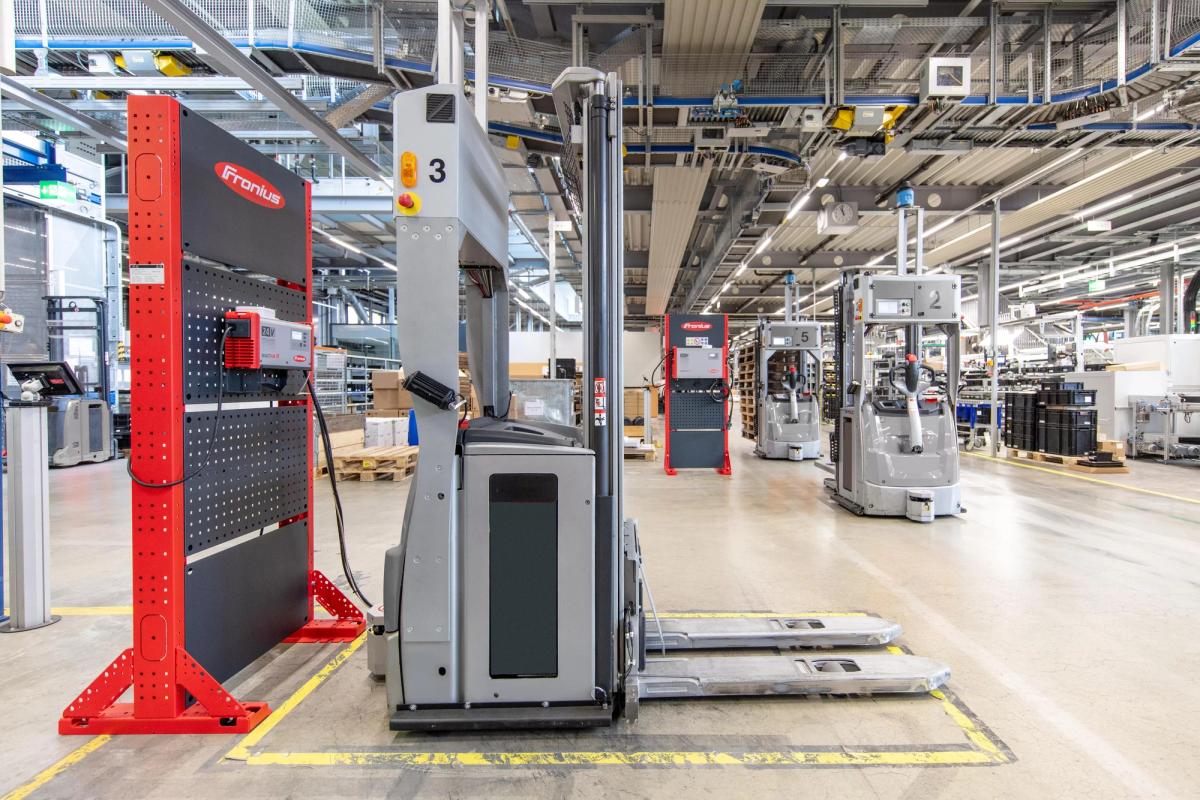
Heavy loads carried on pallets or fitted with fork pockets or other standard fork-entry features can be handled by forklift AGVs with the appropriate rated capacity.
These vehicles can pick up, transport, lift, and place loads. Typical applications include heavy pallets, industrial material containers, and transfers between production lines and warehouses.
How Do Heavy Load AGVs Differ From Standard AGVs?
The main differences are in load-bearing structures, powertrain configuration, and operating-environment requirements.
| Comparison | Standard AGVs | Heavy Load AGVs |
|---|---|---|
| Typical loads | Pallets, totes, material racks, and conventional industrial components | Large molds, steel coils, heavy equipment, and large structural components |
| Load capacity | Configured for conventional warehousing and production logistics | Designed for heavier loads or unusually large items |
| Vehicle structure | More standardized chassis and common load-handling mechanisms | Often require reinforced frames, multiple load-bearing wheels, or specialized platforms |
| Drive and braking | Specified according to rated load and travel speed | Require particular attention to drive capacity, braking, and stability under heavy loads |
| Load support | Pallets, racks, or standard pickup and drop-off interfaces | May require custom cradles, fixtures, and load-distribution structures |
| Operating environment | Aisle clearance, floor evenness, and navigation conditions | Also require close assessment of floor capacity, wheel loads, and clearance for oversized loads |
| Equipment configuration | A wider selection of standardized vehicle models | Nonstandard loads often require purpose-built designs |
Load Capacity and Weight Distribution
Heavy Load AGV design must account for both the total weight of the load and how that weight is distributed across the vehicle.
For example, when an AGV carries a 20-ton machine, an offset center of gravity, the number of wheels, and the support locations all affect the load on each wheel.
For large steel coils, long workpieces, or equipment with a high center of gravity, stability must also be assessed during turning, acceleration, deceleration, and emergency stops.
Travel and Braking Performance
A heavy-duty AGV’s drive system must be able to start, accelerate, turn, and stop under full load.
Braking performance depends on the load, vehicle speed, floor traction, and braking-system configuration. Route planning must account for stopping distances and safe clearances around people, equipment, and the load.
Factory Floor Requirements
Heavy Load AGVs may impose high concentrated wheel loads on the floor.
Floor design must account for wheel-load distribution, the condition of the concrete slab, joints, ramps, and drainage covers.
Aisle planning must also allow for the vehicle envelope, load overhangs, and the space required for turning.
Industries That Use Heavy Load AGVs
1. Steel and Metal Processing
Steel mills and metalworking facilities regularly move steel coils, aluminum coils, steel plates, and large metal billets between production lines, buffer areas, and warehouses.
Depending on the shape of the load, heavy-duty AGVs can be fitted with flat platforms, V-shaped cradles, or other dedicated supports. Coil-handling systems also need measures to prevent rolling or shifting during transport.
2. Automotive and Heavy Vehicle Manufacturing
In the production of heavy trucks, construction vehicles, and specialty vehicles, Heavy Load AGVs can move large chassis, frames, and assembly modules between workstations, using dedicated fixtures to support the workpieces.
3. Heavy Machinery and Equipment Manufacturing
Construction machinery, industrial equipment, and large machine-tool production involve moving machine bases, large castings, molds, and partially assembled machines.
These workpieces can be loaded and unloaded by crane, with Heavy Load AGVs handling horizontal transport between machining stations, assembly areas, and buffer zones.
4. Aerospace and Shipbuilding
In aircraft manufacturing, Heavy Load AGVs can carry large wing-assembly fixtures between workstations. Specialized vehicles can also work with fixture-positioning mechanisms to deliver large components accurately to their assembly locations.
Shipbuilding involves handling steel plates, structural members, and prefabricated components. Heavy structural parts suitable for automated ground transport can be moved on specialized platform AGVs between fabrication workshops and assembly areas.
5. Paper, Coating, and Roll Material Processing
Large paper rolls, film rolls, and industrial coating materials are frequently transferred between production equipment, buffer areas, and warehouses.
Handling cylindrical loads requires attention to roll diameter, width, support for the core or air shaft, and loading and unloading interfaces. AGVs can use dedicated cradles or roll-handling mechanisms for automated transport.
Coolyne developed a heavy-roll AGV logistics solution for six coating lines. The design load included the roll and air shaft, with a combined weight of no more than 2,500 kg. The project covered raw material delivery, finished-roll transfers, and buffer management beside the production lines.
Why Are AGVs Important in Heavy Manufacturing?
1. Reduce Manual Operations in Heavy-Workpiece Transport
In heavy manufacturing plants, moving large workpieces may require drivers to operate specialized vehicles while other personnel assist with positioning and handoffs.
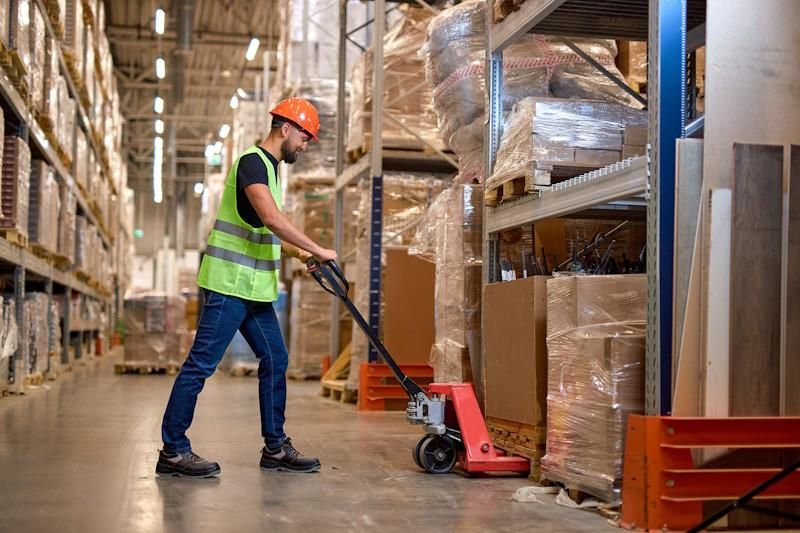
For transport tasks with defined pickup and drop-off locations, Heavy Load AGVs can travel and position themselves automatically, reducing the time drivers spend on repetitive transport runs.
2. Coordinate With Production Scheduling Systems
In multi-stage manufacturing facilities, Heavy Load AGVs can connect to production scheduling systems and receive transport tasks based on workstation status and material requirements.
For example, after a machining station completes an operation, the system can dispatch an AGV to move the workpiece to an assembly area or buffer zone, reducing delays associated with manual notifications and ad hoc vehicle allocation.
3. Improve Safety Management for Heavy Material Handling
Transporting large workpieces involves substantial vehicle mass, load inertia, and operating space. Manual driving also requires coordination with nearby personnel, other vehicles, and production equipment.
Heavy Load AGVs can use safety laser scanners, speed control, braking systems, and zone interlocks to carry out transport tasks under defined operating conditions.
Areas shared by people and vehicles still require suitable aisles, intersection controls, and protective measures.
4. Reduce Layout Constraints From Fixed Transport Equipment
Some heavy manufacturing lines use rail-guided transfer carts, fixed conveyors, or other equipment that follows fixed routes.
For plants that need to rearrange workstations or transport routes, trackless Heavy Load AGVs can reduce dependence on some forms of fixed transport infrastructure.
With map-based navigation, transport routes can be replanned for a new workstation layout, with corresponding adjustments to traffic control and task scheduling.
Consult Coolyne About Heavy Load AGV Solutions
Coolyne can help evaluate suitable AGV handling solutions based on load weight, dimensions, center of gravity, transport routes, and workstation requirements, including vehicle configuration, loading and unloading methods, and system integration.
Contact us to discuss your heavy manufacturing material-handling automation project.
Next Review
Move from article research to a scoped feasibility review.
Use the related products and solution paths below, then send your workflow and layout for a quick engineering review.
Related Solutions
Engineering Review